
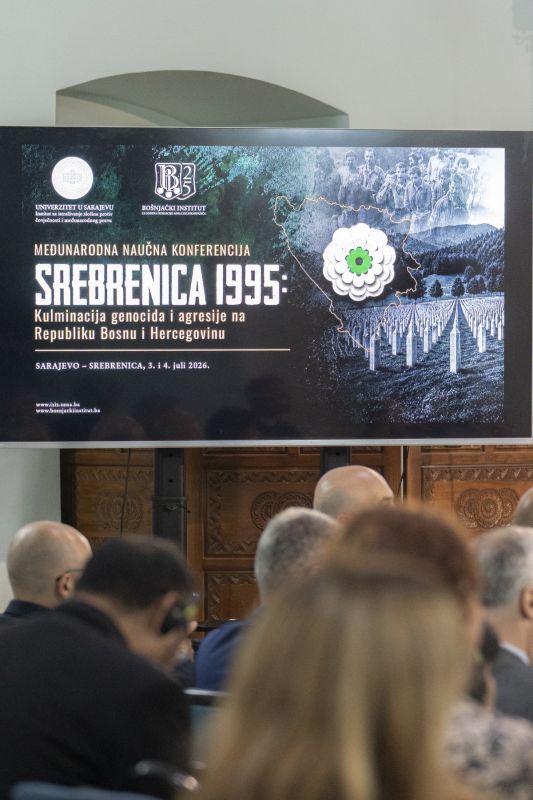
The International Scientific Conference “Srebrenica 1995: The Culmination of Genocide and Aggression against the Republic of Bosnia and Herzegovina”, organized by the University of Sarajevo – Institute for Research of Crimes against Humanity and International Law and the Bosniak Institute – Adil Zulfikarpašić Foundation, concluded with a visit to the Srebrenica Memorial Center in Potočari. The conference was held on 3 and 4 July 2026 in Sarajevo and Srebrenica, with support from the Government of Sarajevo Canton and the Sarajevo Canton Assembly.
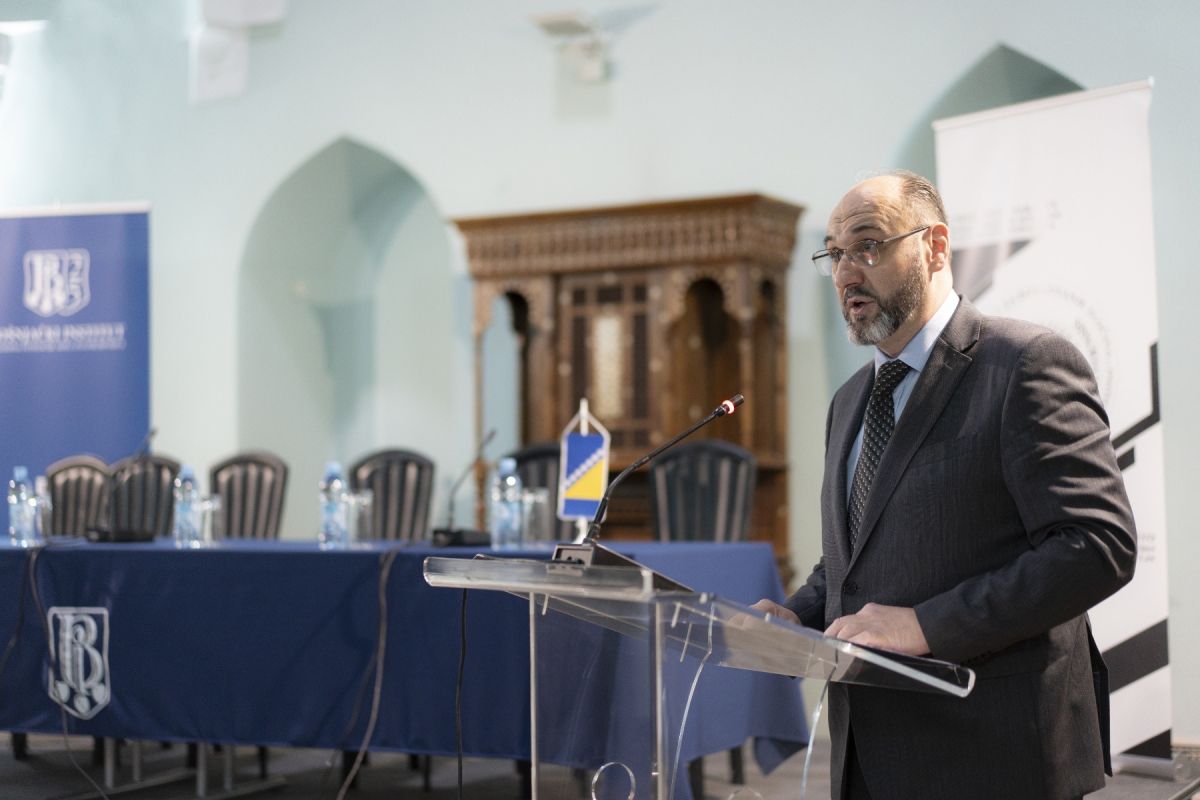
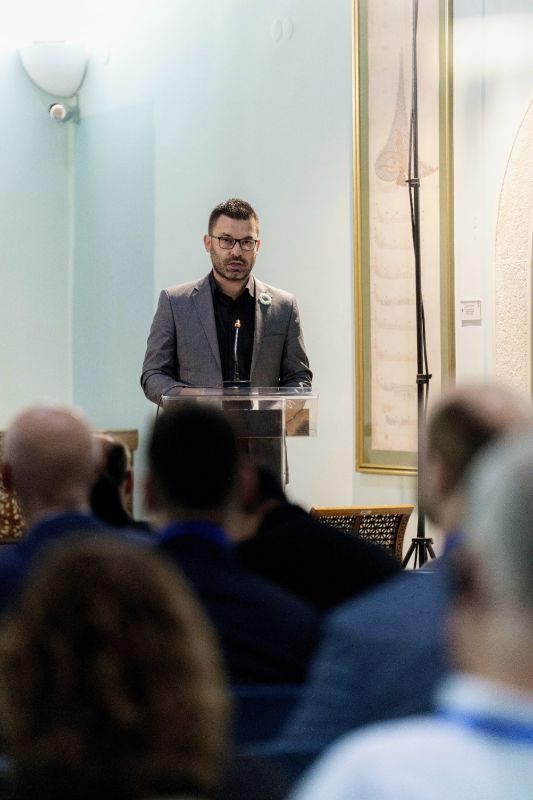
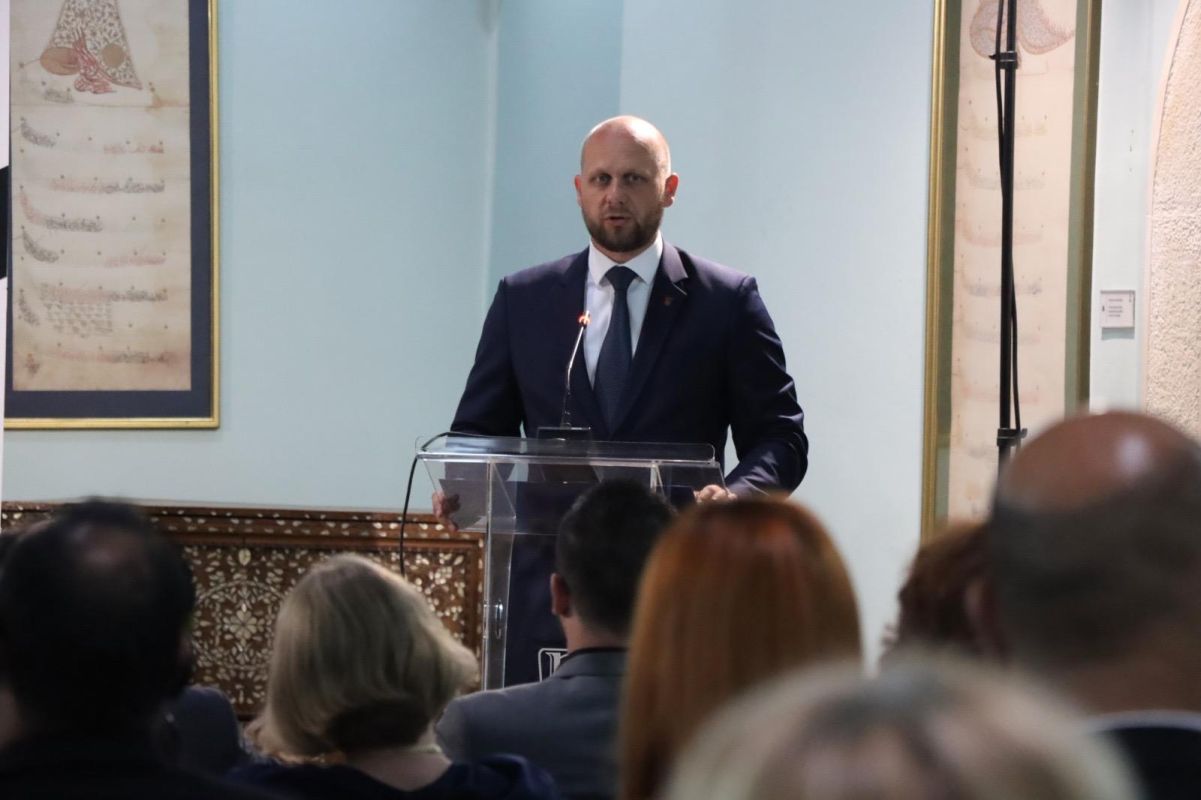
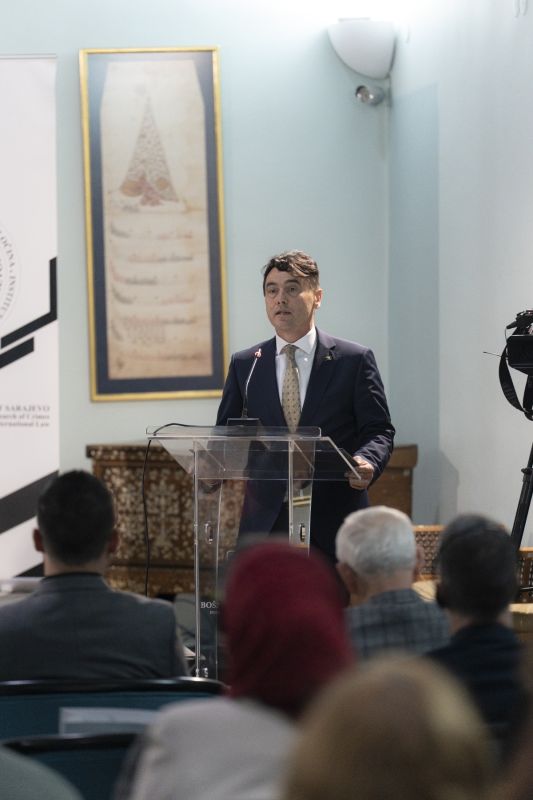
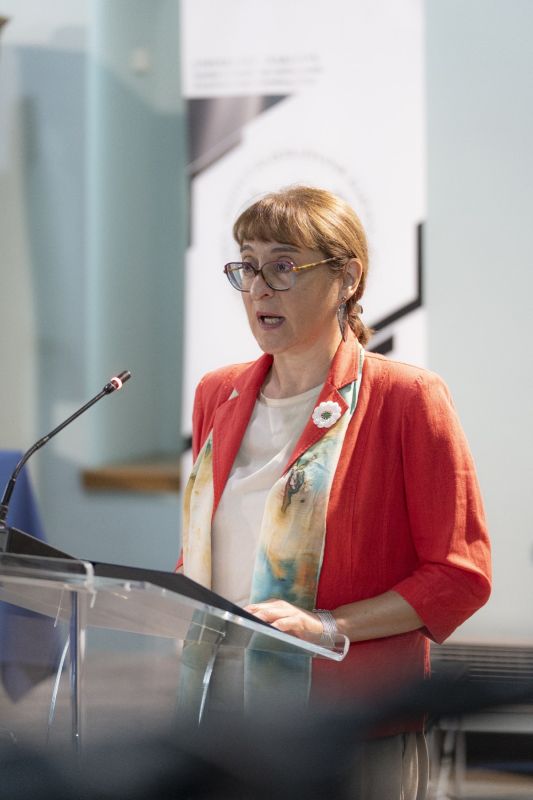
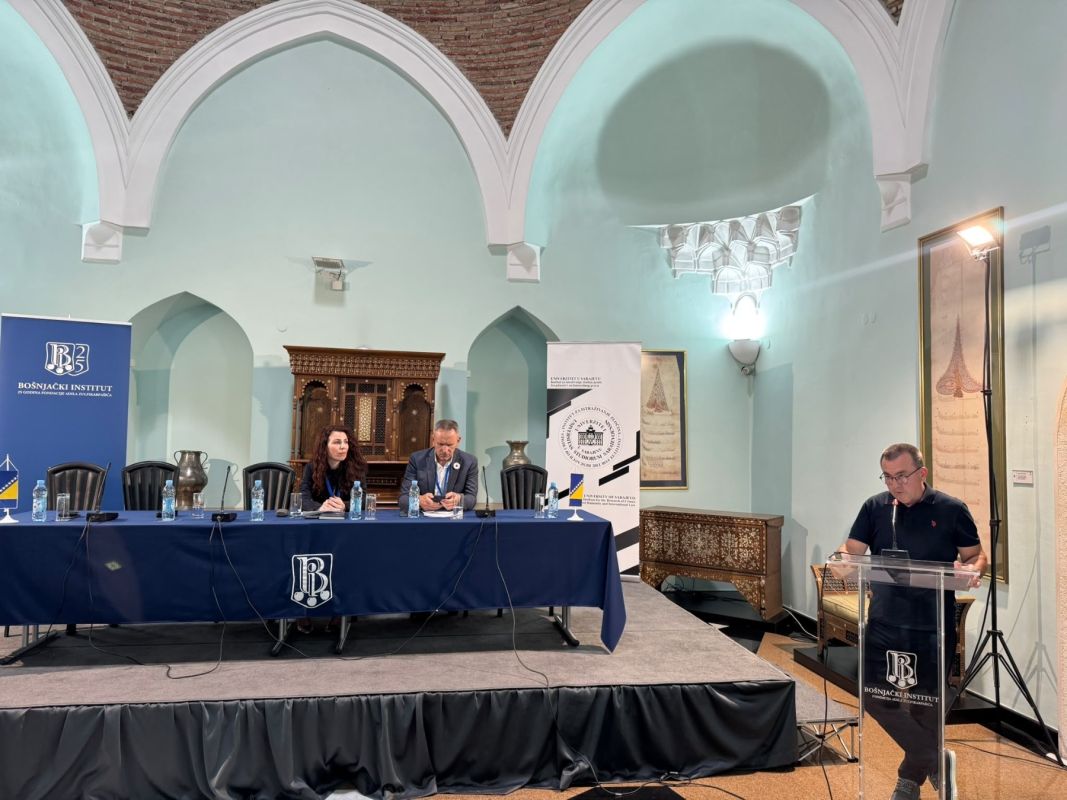
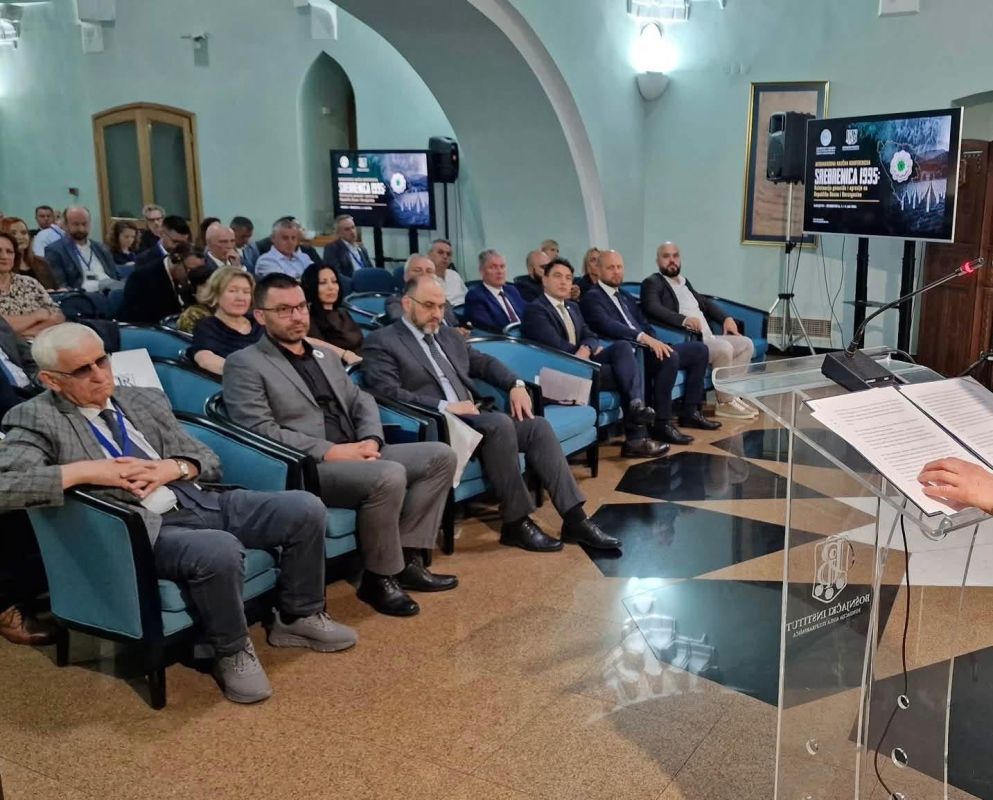
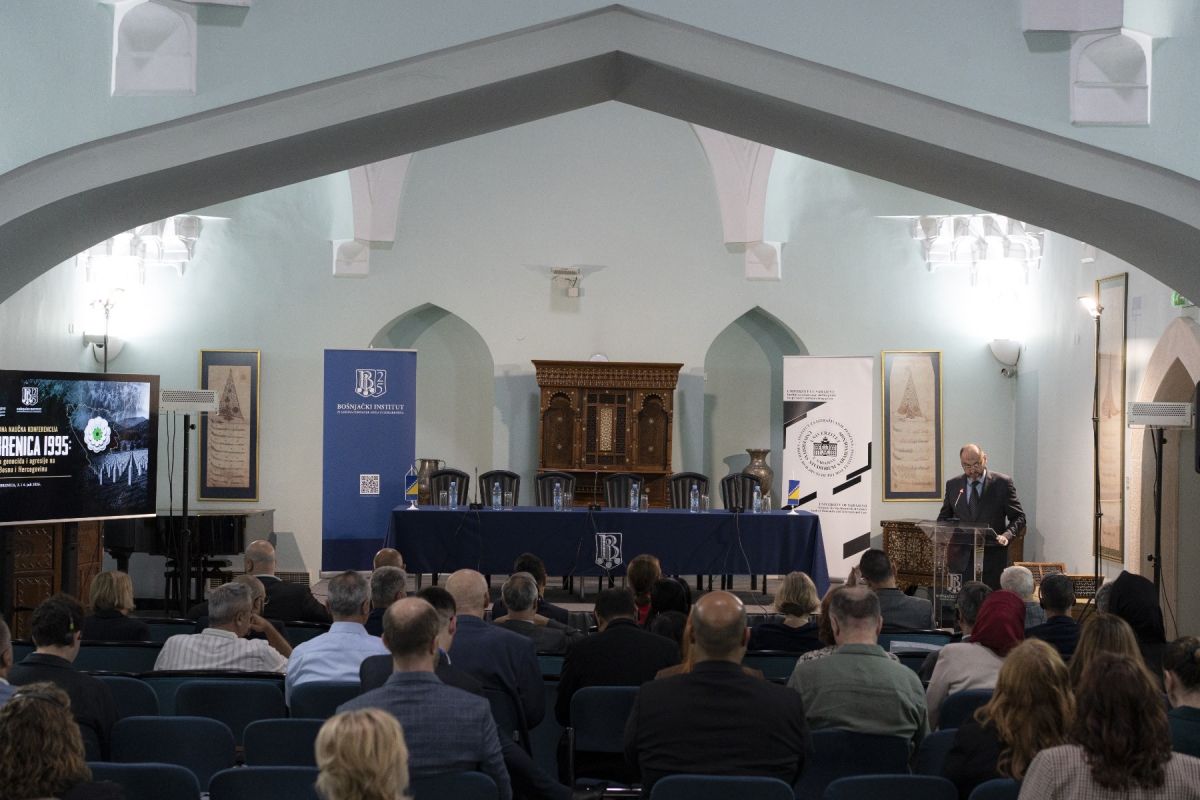
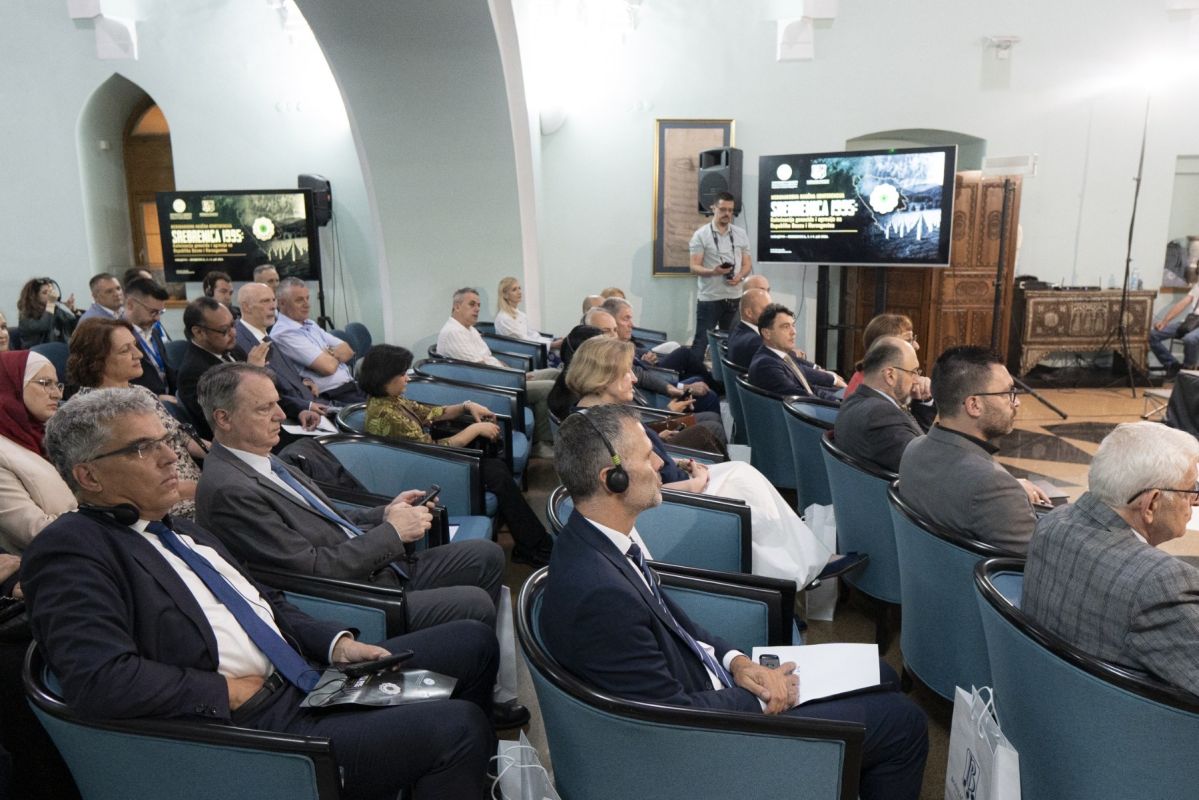
The conference was opened in Sarajevo at the Bosniak Institute – Adil Zulfikarpašić Foundation. On behalf of the Chairman of the Presidency of Bosnia and Herzegovina, Dr. Denis Bećirović, the conference was opened by his advisor and Chief of Cabinet, Dr. Alija Kožljak. The opening addresses were also delivered by M.Sc. Amina Rizvanbegović Džuvić, Director of the Bosniak Institute – Adil Zulfikarpašić Foundation; Prof. Dr. Tarik Zaimović, Rector of the University of Sarajevo; M.Sc. Elvedin Okerić, Speaker of the Sarajevo Canton Assembly; and Dr. Muamer Džananović, Director of the University of Sarajevo – Institute for Research of Crimes against Humanity and International Law.
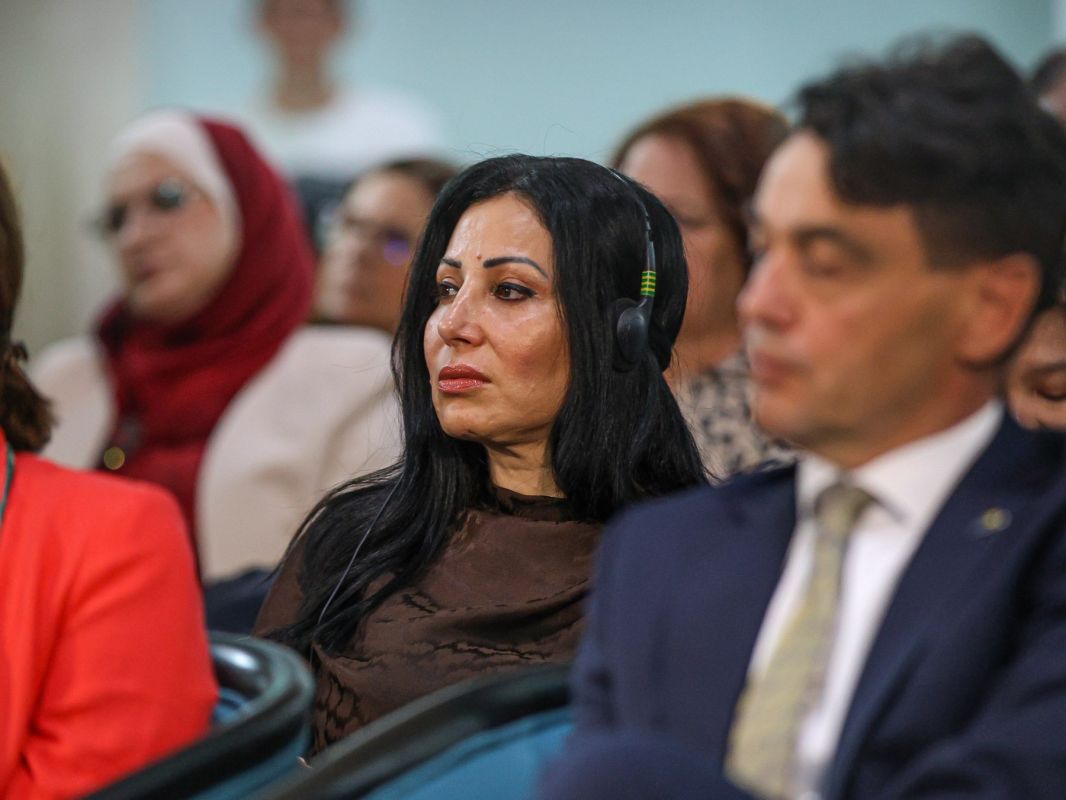
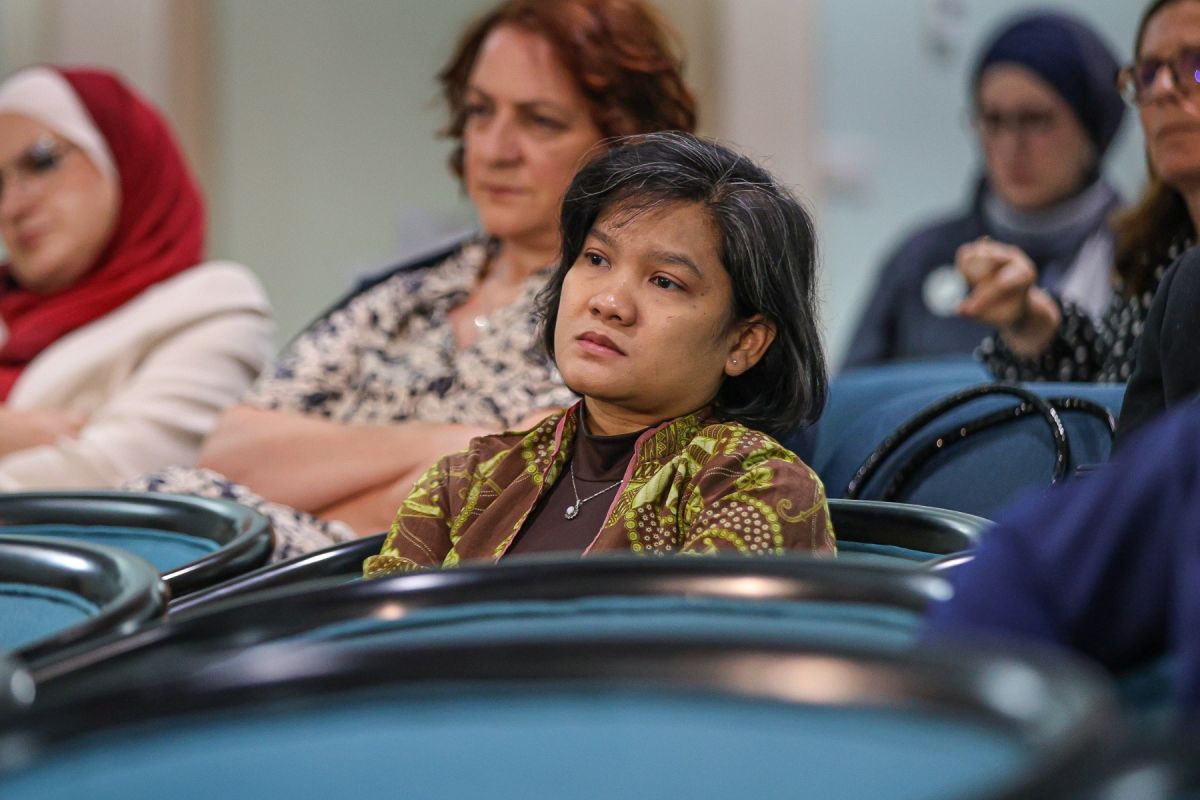
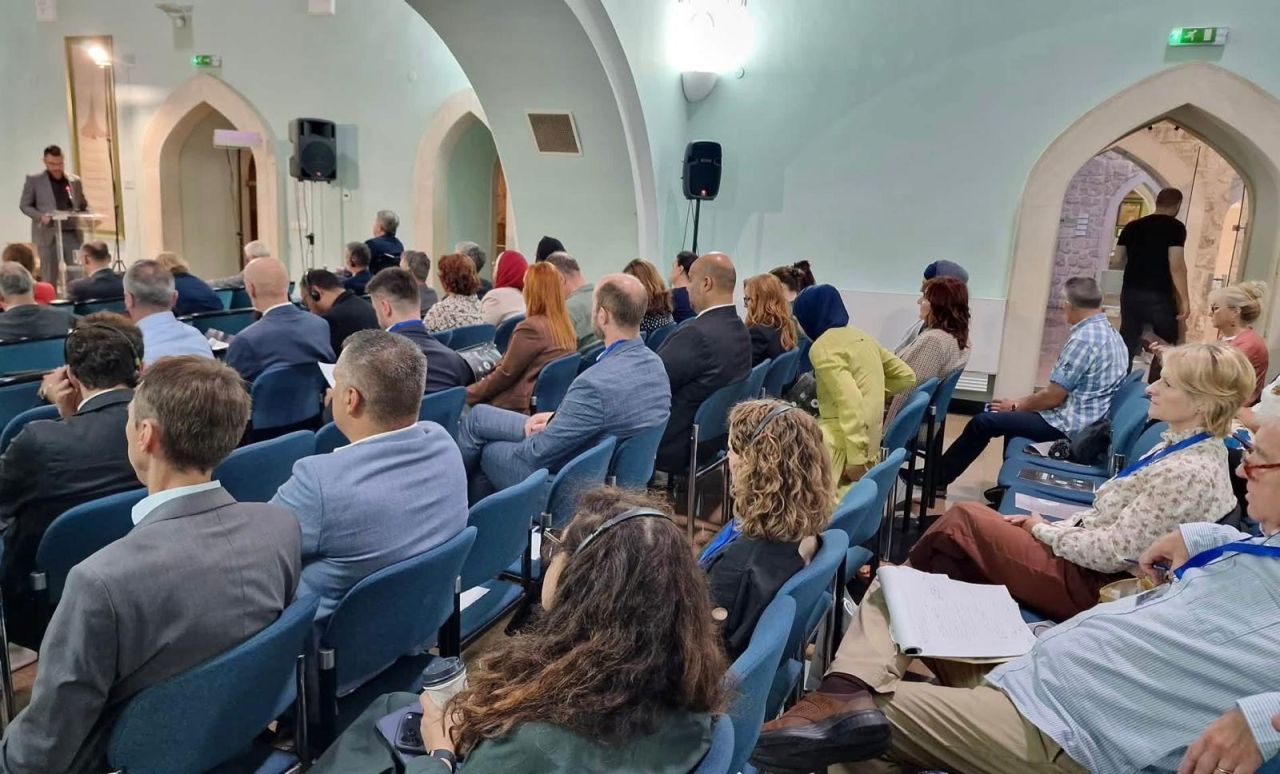
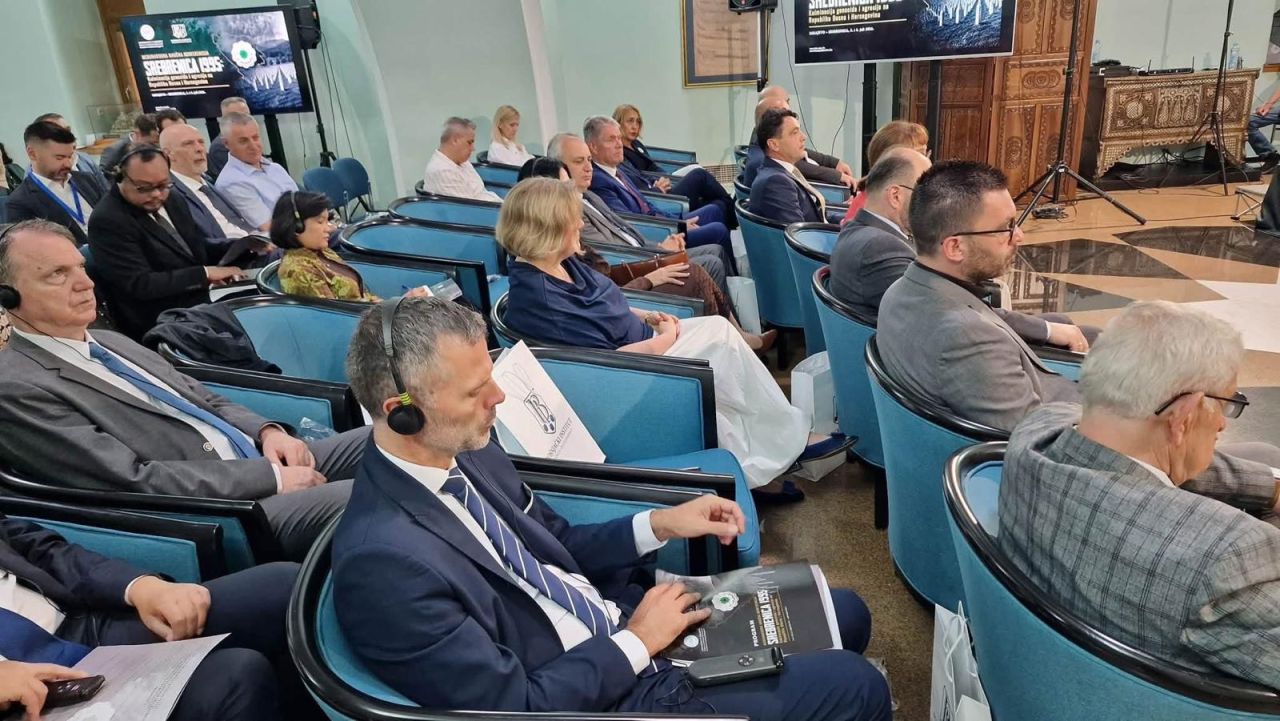
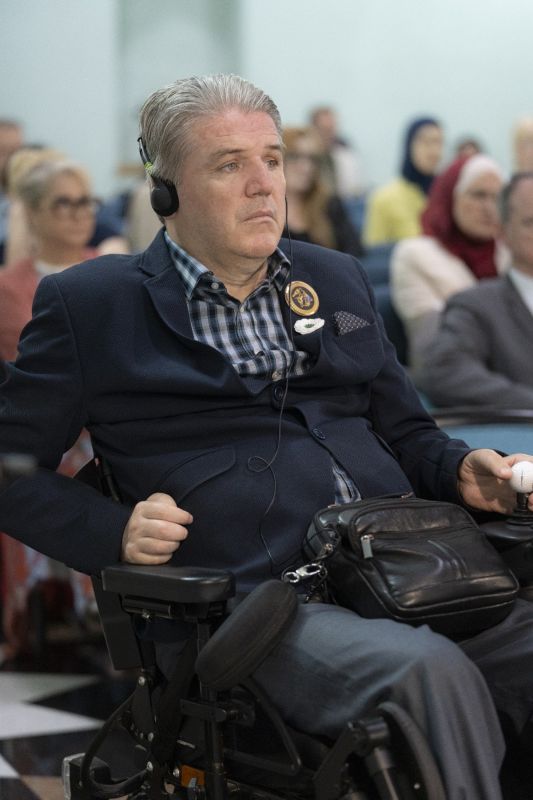
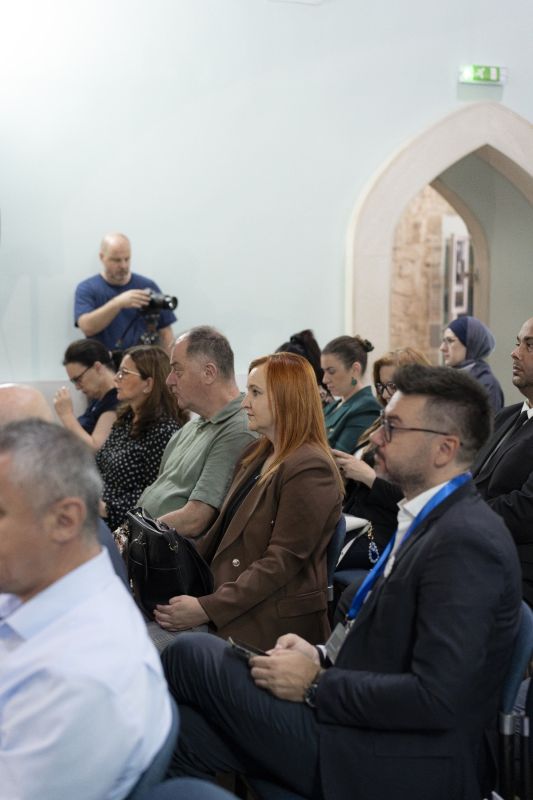
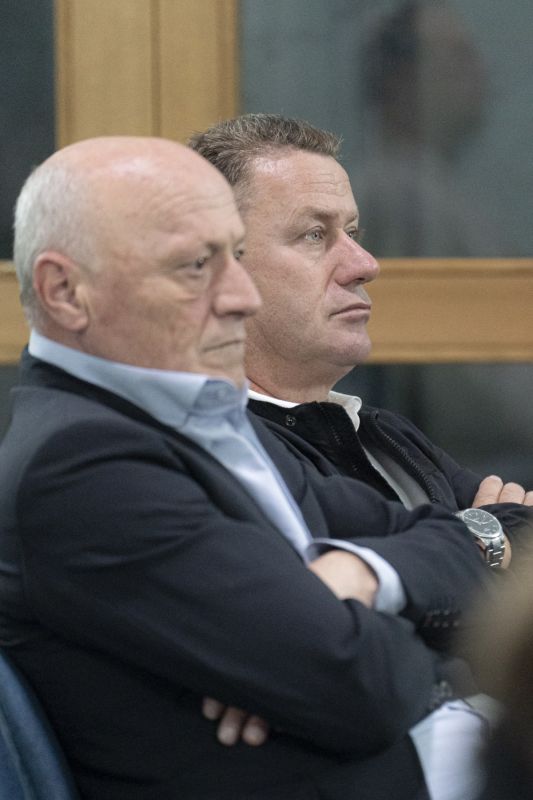
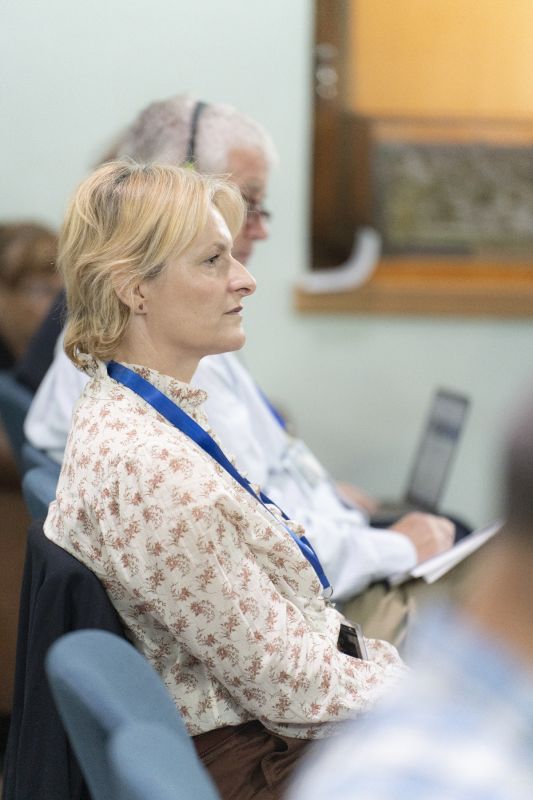
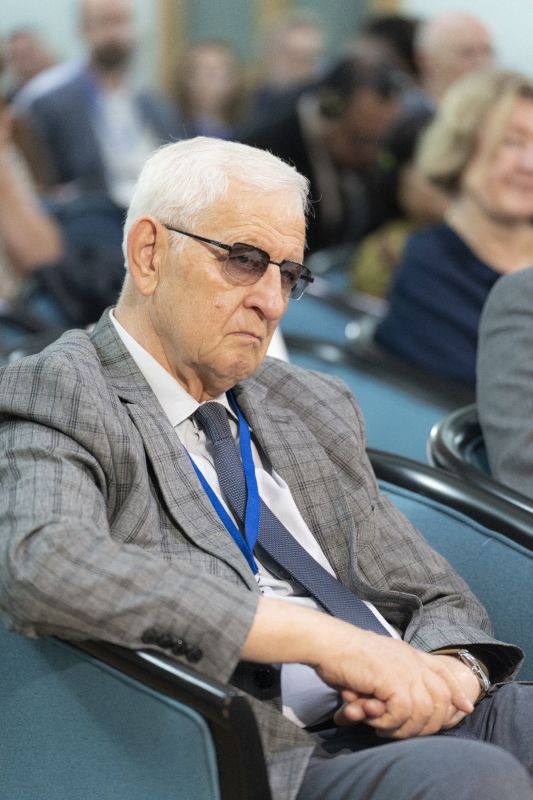
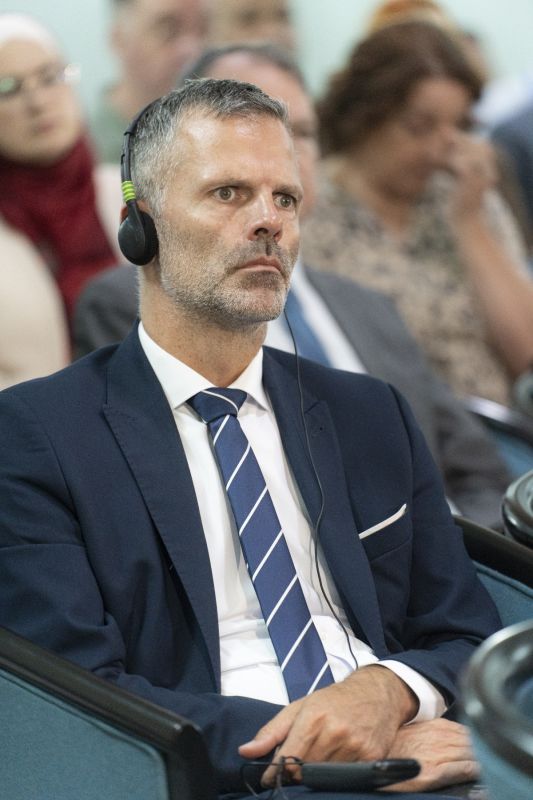
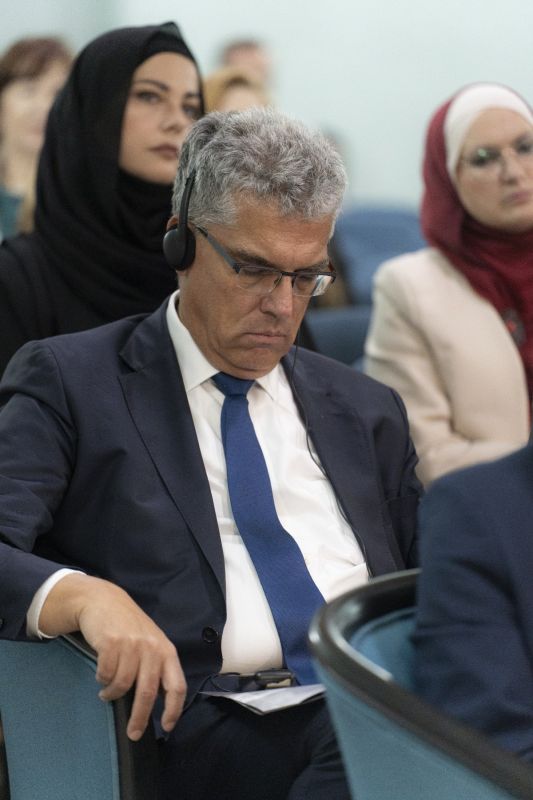
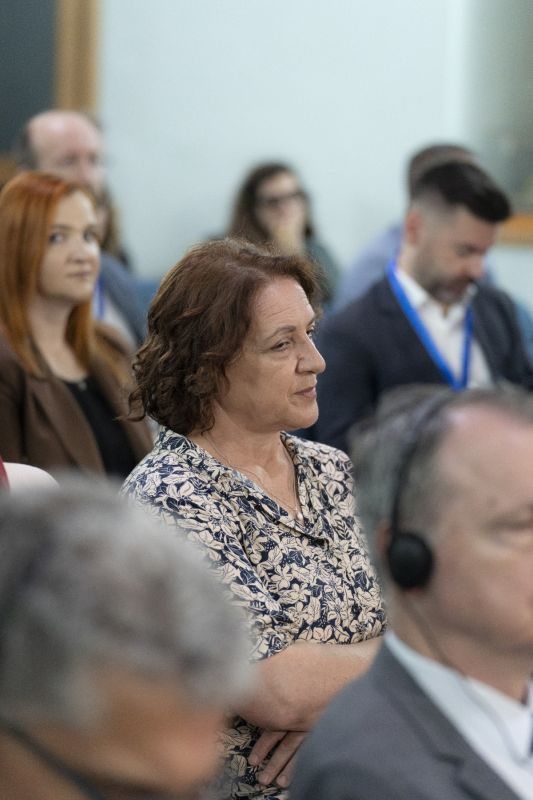
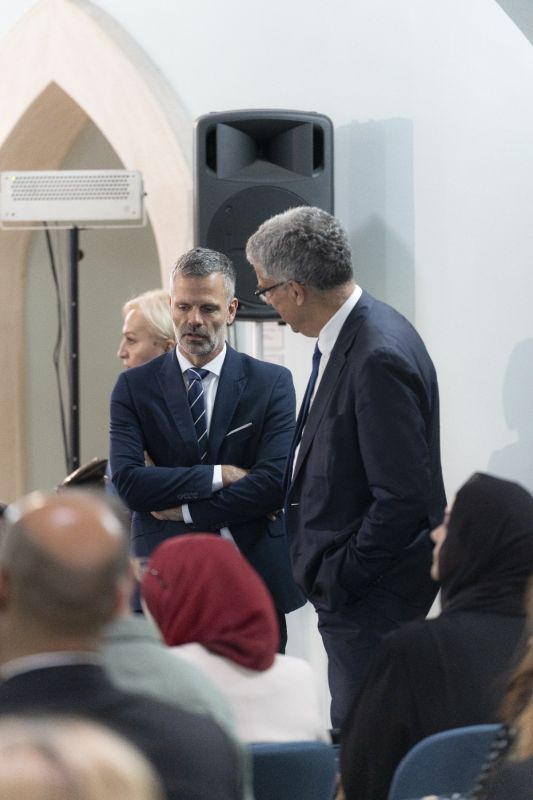
The opening ceremony was attended by numerous representatives of the academic community, associations of victims, representatives of executive and legislative authorities at all levels in Bosnia and Herzegovina, Their Excellencies ambassadors of several countries, students, as well as other guests from the public, cultural, scientific, and social spheres of Bosnia and Herzegovina.
The opening ceremony sent clear messages that the genocide in Srebrenica cannot be viewed as an isolated event, but rather as the culmination of a long-term political, military, institutional, and ideological process. It was emphasized that this is one of the key messages of the conference, which examines Srebrenica within the broader context of aggression against the Republic of Bosnia and Herzegovina, systematic crimes, persecution, dehumanization, institutional planning, and subsequent denial.
It was particularly emphasized that science cannot be replaced by propaganda and that judgments, documents, archives, testimonies, material evidence, and scientific research cannot be erased by political narratives, regardless of their frequency or organization. It was also highlighted that Srebrenica is not only a Bosnian and Herzegovinian issue, but also a European and global one, as it demonstrates the consequences of the failure of international protection mechanisms, the absence of political will, and the continuation of crimes through denial. The conference conveyed the message that European and other democratic institutions must clearly distance themselves from genocide deniers and policies that produce, support, or tolerate denial.
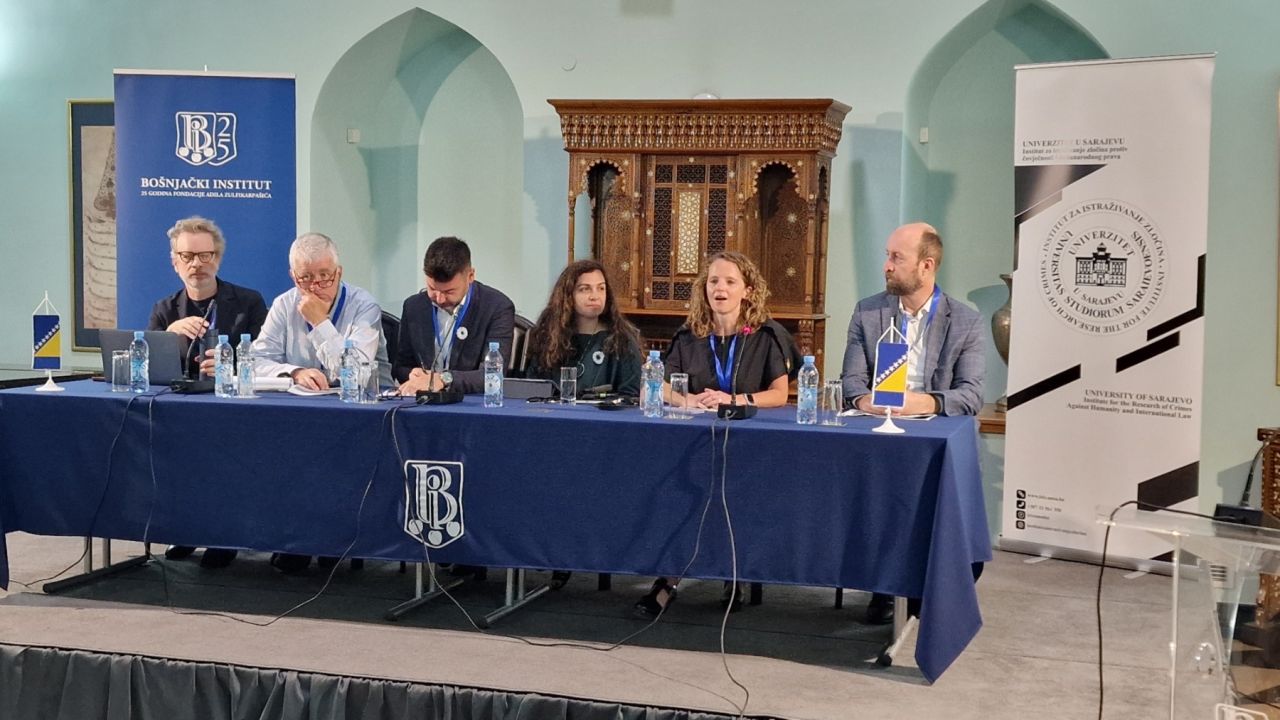
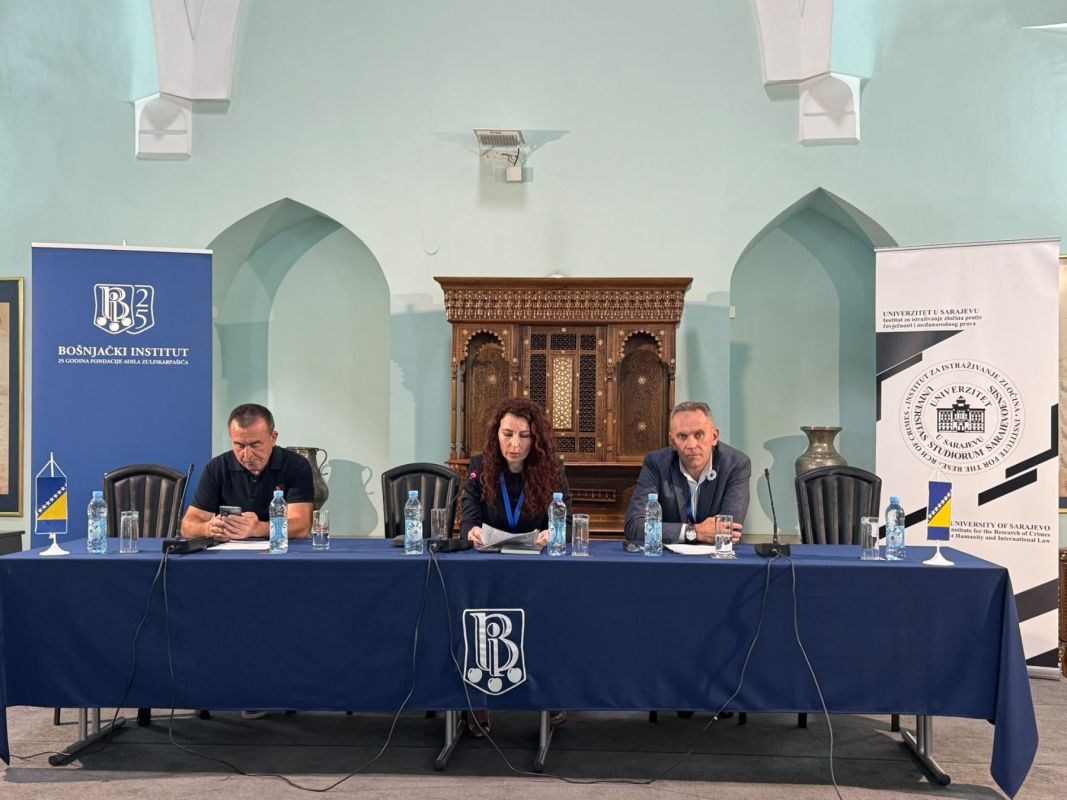
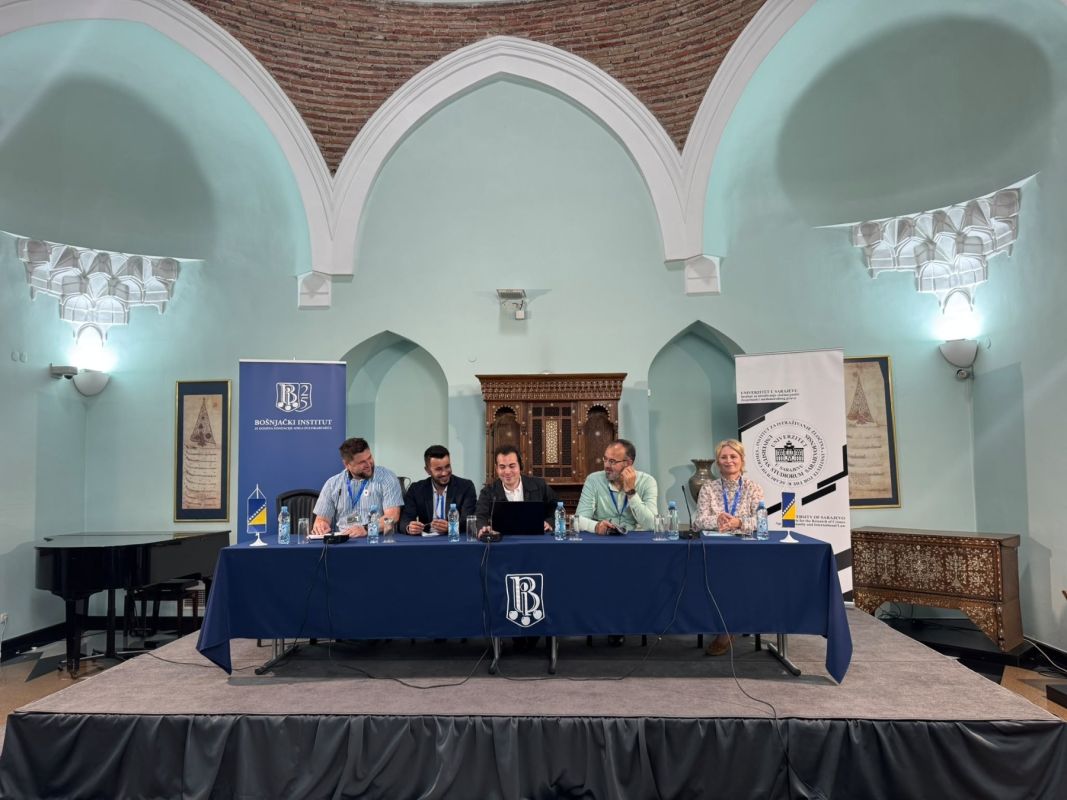
During the first day of the conference, held in Sarajevo, four thematic panels were organized.
Within the first panel, “Genocide before Law, Politics and Language: Definition, Prevention and Responsibility”, presentations were delivered by Prof. Dr. Shannon Fyfe on “The Futility of the Concept of ‘Genocide’ in Stopping Genocide”; Prof. Dr. Alexander Greenawalt on “The Struggle to Define Genocide”; Prof. Dr. Enis Omerović on “Thirty Years after Srebrenica: Challenges of International Law in Preventing and Punishing Genocide”; Prof. Dr. Vedad Gurda on “Prosecuting Genocide and Other War Crimes Committed in Bosnia and Herzegovina between Formal Truth and Justice”; Prof. Dr. James T. Campbell on “What’s in a Name? ‘Slavery’, ‘Genocide’ and ‘Trauma’ in Contemporary American Politics”; and Prof. Dr. Maryam Jamshidi on “Zionism, Gaza and Proving Genocidal Intent”.
Within the second panel, “Srebrenica after Genocide: Reconstruction, Memory, International Failure and ‘Justice’”, presentations were delivered by Academician Prof. Dr. Mirko Pejanović on “Srebrenica as a Special Development Area: Political, Demographic and Economic Aspects of Post-Genocide Reconstruction”; Prof. Dr. Hariz Halilovich on “Srebrenica between Memory and Denial: Anthropological Perspectives of a Post-Genocide Society”; Dr. Merisa Karović-Babić on “The United Nations and the Failure to Protect Civilians: The Example of the Srebrenica Genocide”; Prof. Dr. Ermin Kuka on “The Failure of the International Collective Security Mechanism through the Prism of the Genocide Committed against Bosniaks in Srebrenica in July 1995”; and Dr. Almir Grabovica on “German Court Judgments for Crimes Committed in the Republic of Bosnia and Herzegovina”.
Within the third panel, “The Road to the Srebrenica Genocide: Patterns of Persecution, Mass Crimes and Destruction in Bosnia and Herzegovina 1992–1995”, presentations were delivered by Prof. Dr. Mujo Begić on “Forced Deportations as a Means of Mass Persecution of Bosniaks – The Case of the UN Protected Area of Srebrenica and Bosanski Novi”; Dr. Zilha Mastalić Košuta on “The Road to the Srebrenica Genocide: Mechanisms of Genocidal Policy in Eastern Bosnia 1992–1995”; Dr. Elvedin Mulagić on “Facts about War Crimes Committed against Bosniaks in Zvornik as an Indicator of the Continuity of Genocide against Bosniaks in Lower Podrinje 1992–1995”; Dr. Jasmin Medić on “The Implementation of the Second Strategic Objective of the Serbian Republic of Bosnia and Herzegovina in the Sana River Valley: Analysis of Crimes in the Municipalities of Prijedor, Sanski Most and Ključ”; and M.Sc. Mersiha Jaskić on “Sexual Violence against Men: Gender Analysis of the Cases Prosecutor v. Tadić and Prosecutor v. Češić”.
Within the fourth panel, “Education, Genocide Denial and Resistance through Truth”, presentations were delivered by M.Sc. Ben Gerstein on “Preventive Memory Laws: A Case Study of Bosnia and Herzegovina”; Dr. Hikmet Karčić on “Genocide in the Age of Disinformation: Future Challenges in Preserving the Truth about Srebrenica”; Prof. Dr. Sanela Bašić on “The Ethics of Memory as a Pedagogy of Peace: Education about Genocide between Truth, Testimony and Responsibility”; Edin Ikanović on “The Srebrenica Memorial Center as an Institution of Memory, Research and Education”; and Dr. Sabahudin Šarić on “The Courage and Resilience of Srebrenica Survivors through the Analysis of the Role of Srebrenica Women during and after the Aggression against Bosnia and Herzegovina”.
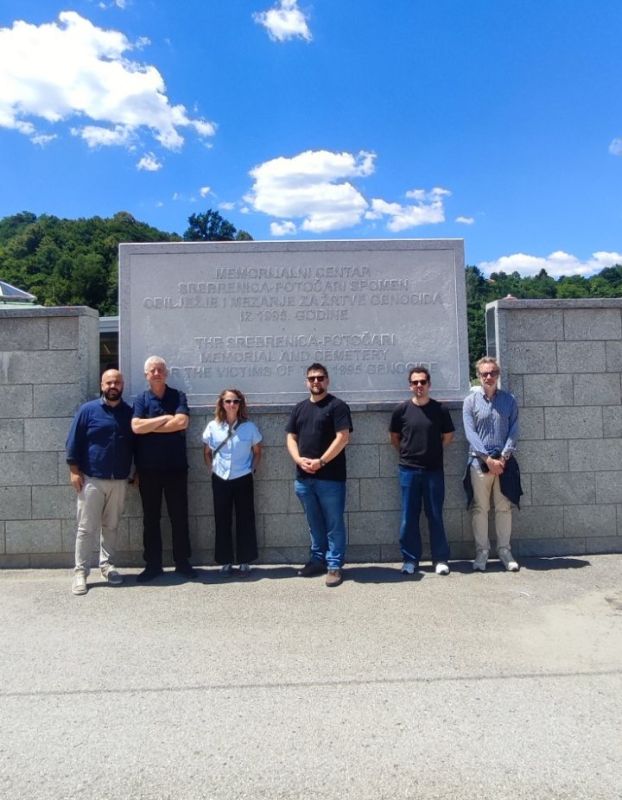
On the second day of the conference, participants visited Potočari and Srebrenica, including locations of mass graves and sites of atrocities in the Bosnian Podrinje region, Potočari, and the Srebrenica Memorial Center. The conference was concluded in Srebrenica, symbolically reaffirming its central message: genocide in Srebrenica must be discussed at the place of truth, remembrance, scientific research, and lasting responsibility.
The conference once again confirmed the importance of an interdisciplinary scientific approach to researching the genocide in Srebrenica, the necessity of continuous international academic cooperation, as well as the importance of institutional efforts to oppose genocide denial, historical revisionism, and the relativization of crimes.
The University of Sarajevo – Institute for Research of Crimes against Humanity and International Law and the Bosniak Institute – Adil Zulfikarpašić Foundation extend their gratitude to all participants, partners, institutions, media representatives, and friends of the conference whose contributions enabled its successful realization.
.jpeg)

.jpeg)
.jpeg)
.jpeg)
.jpeg)
.jpeg)
(2).png)
(3).png)
.png)