
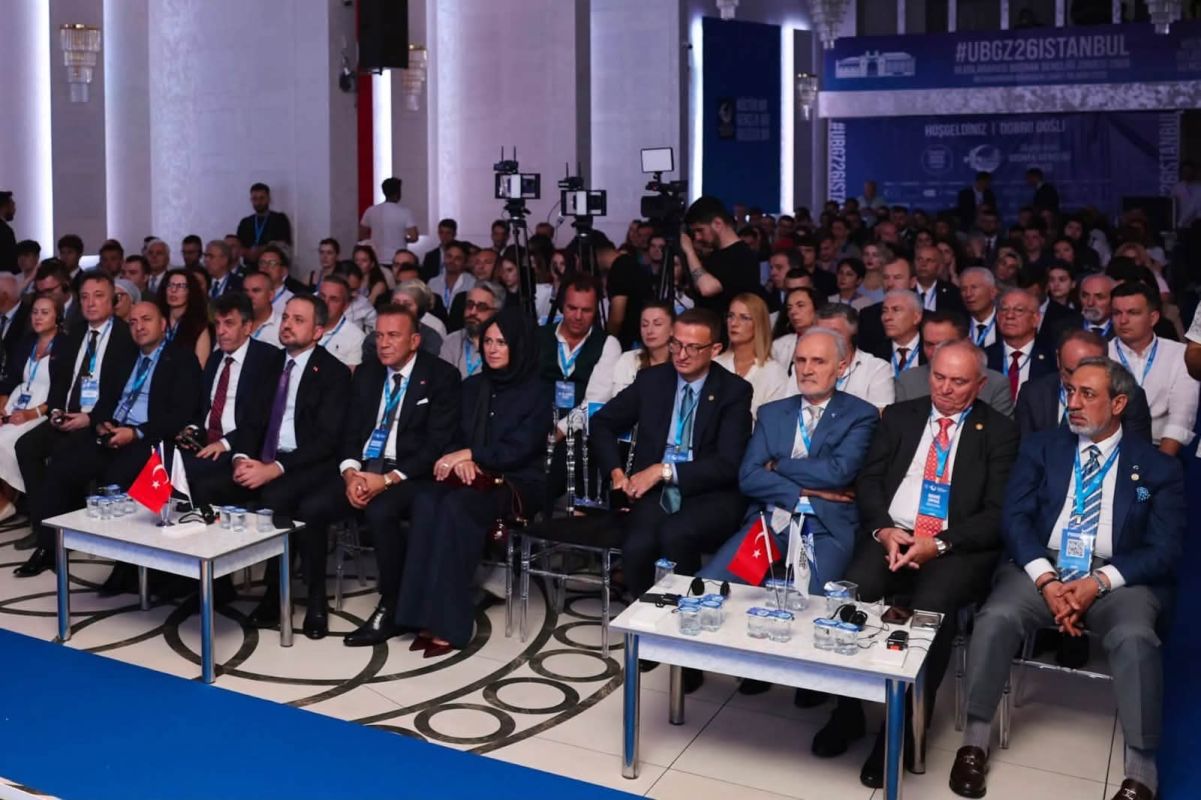
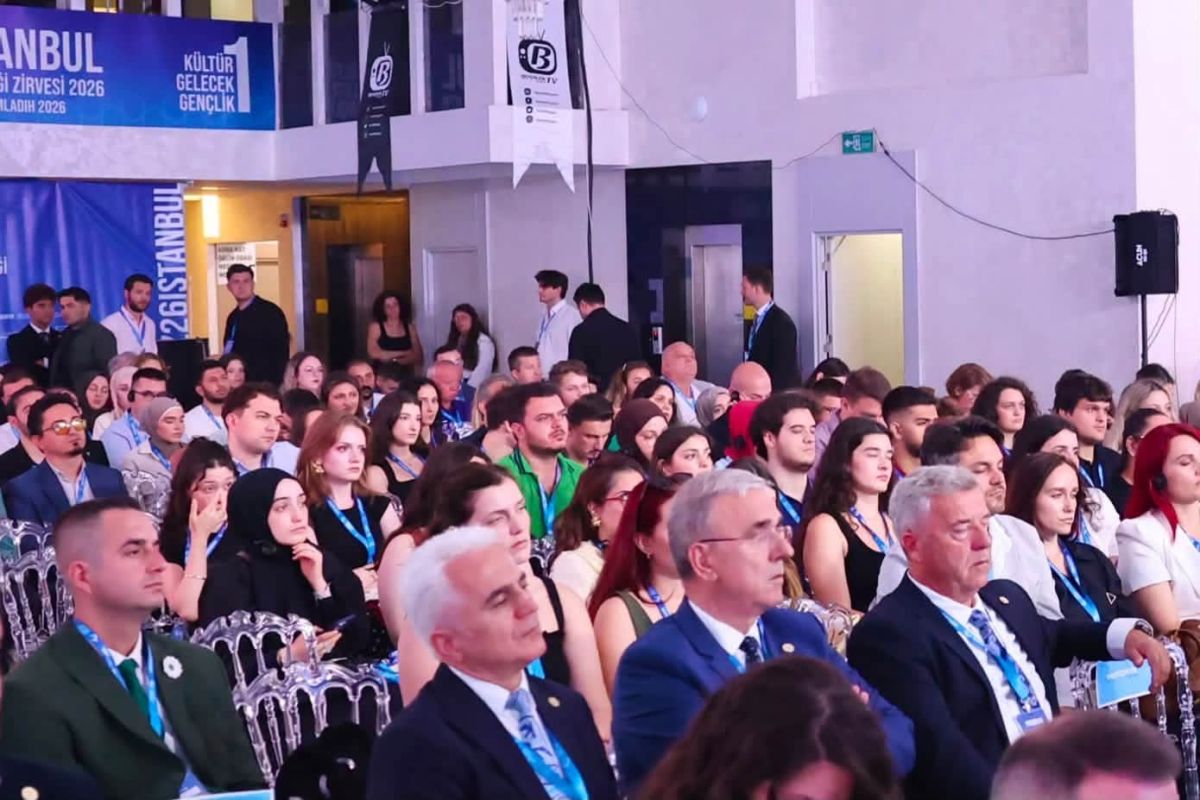
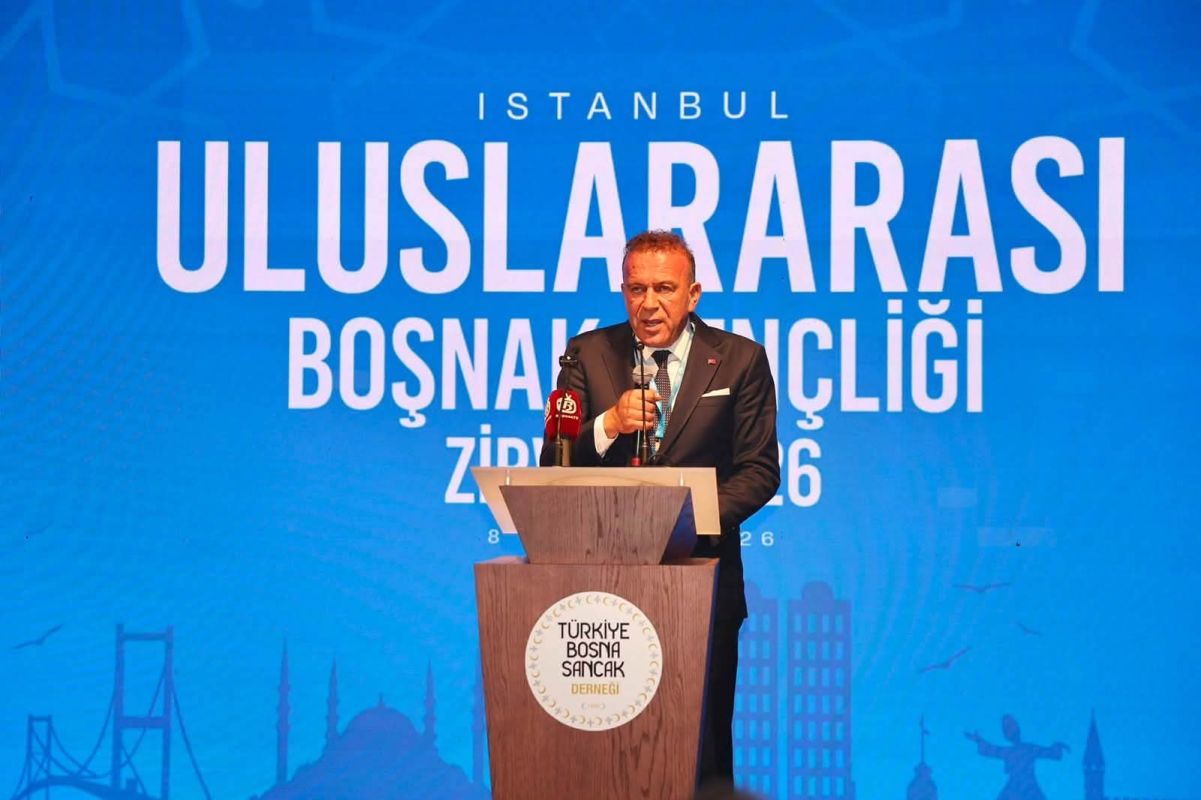
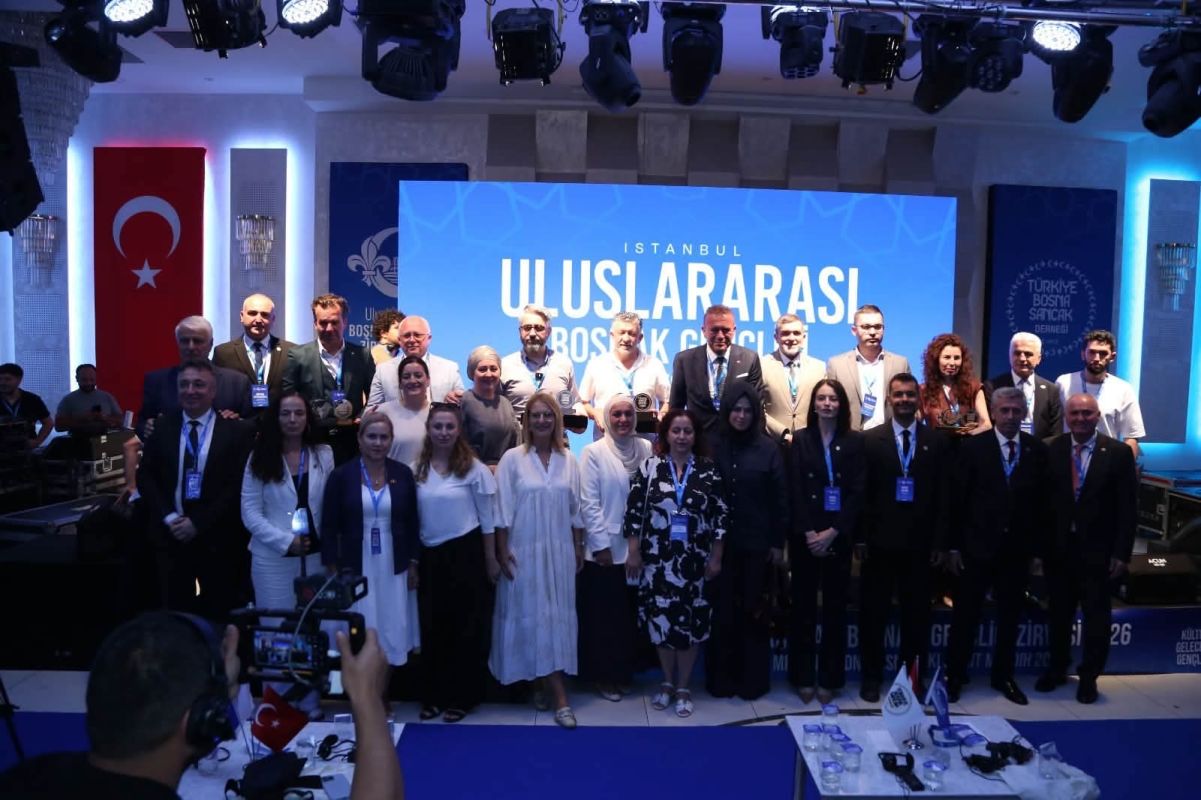
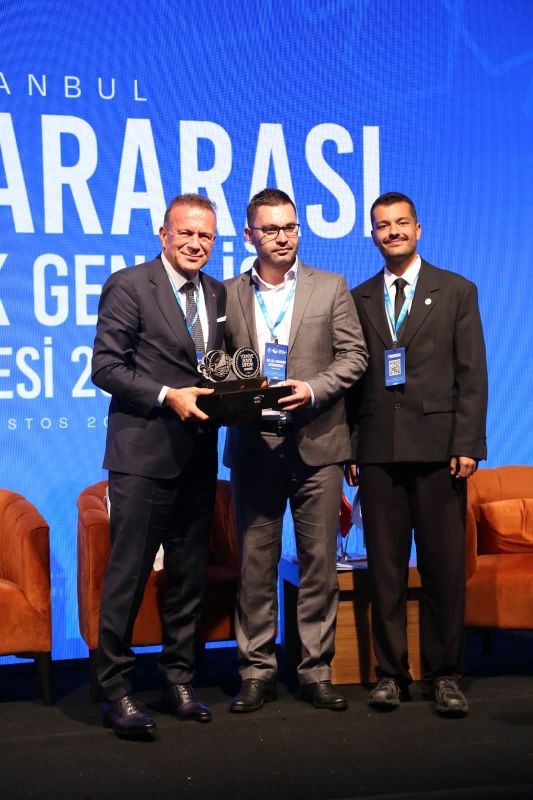
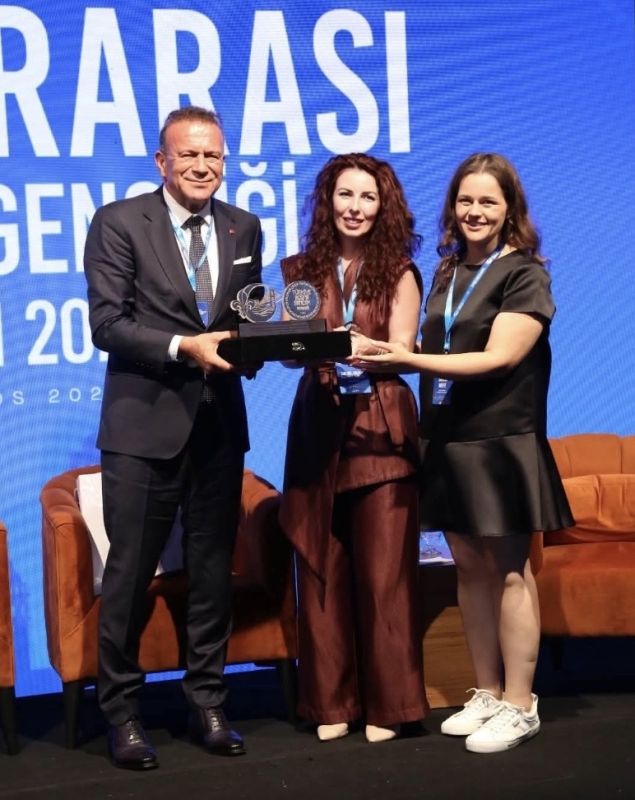
The International Bosniak Youth Summit was held in Istanbul from 8 to 10 August 2026, bringing together more than 400 scholars, professors and students from over 12 countries. Employees of the University of Sarajevo – Institute for Research of Crimes against Humanity and International Law and the Institute for Language also took part in the three-day Summit.
The Summit was organised by the Türkiye Bosna Sandžak Association in Istanbul with the aim of bringing together young Bosniaks from Bosnia and Herzegovina, Sandžak, Türkiye and other parts of the world, while creating a space for dialogue on identity, history, culture, language, education and the future of the Bosniak community.
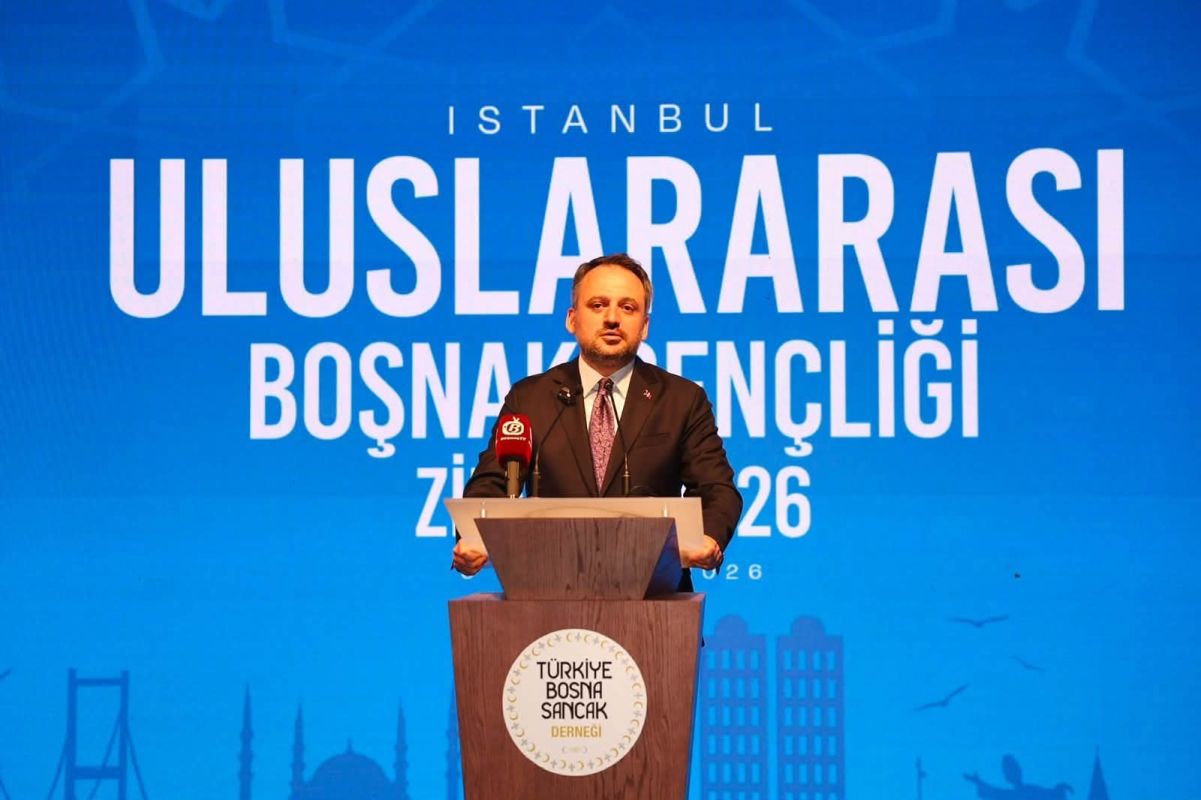
Among those who addressed participants at the opening ceremony were Muhammed Sandžaktar, President of the Türkiye Bosna Sandžak Association; Yasin Albayrak, Head of the National Security Department of the Presidency of the Republic of Türkiye; Dr. Enes Eminoğlu, Deputy Minister of Youth and Sports of the Republic of Türkiye; Avni Kula, Deputy Governor of Istanbul; Abdullah Çiftçi, Mayor of Bayrampaşa; and İbrahim Akın, Deputy Mayor of Bayrampaşa.
As part of the programme block “Our Roots – Identity, History and Language”, held on 8 August, the first two panels brought together representatives of the academic community from Bosnia and Herzegovina and Sandžak. A significant part of the programme focused on the history of Bosnia and the Bosniaks, the genocide and other crimes committed during the aggression against the Republic of Bosnia and Herzegovina, contemporary denial and revisionism, as well as the Bosnian language and Bosniak literature.
The first panel featured Dr. Sc. Fuad Baćićanin, President of the Bosniak National Council in Serbia; Dr. Sc. Zilha Mastalić Košuta, Senior Research Associate at the University of Sarajevo – Institute for Research of Crimes against Humanity and International Law; and Dr. Sc. Muamer Džananović, Director of the Institute.
Dr. Sc. Zilha Mastalić Košuta spoke about the history of Bosnia and the Bosniaks, with particular emphasis on the continuity of Bosnia as a historical and political entity throughout more than 1,100 years of its existence. She presented key historical facts and events that shaped Bosnia and Bosniak identity, from medieval Bosnia to the present day. She also addressed the repeated waves of migration and forced displacement of Bosniaks in the late 19th and throughout the 20th centuries, particularly towards Anatolia, which left a lasting mark on their history.
Dr. Sc. Muamer Džananović spoke about the genocide and crimes committed in Bosnia and Herzegovina between 1992 and 1995, as well as the denial of these crimes and the glorification of convicted war criminals. In his address, he invited the young participants to visit Sarajevo and the Institute in order to learn more about its work and make use of its archives and library. He emphasised that both he and the Institute’s staff are available to support them in their research. He also encouraged them to visit Srebrenica, as well as other sites of atrocities, concentration camps, mass graves and memorial sites throughout Bosnia and Herzegovina, and to pass on knowledge about the past to future generations.
Dr. Sc. Fuad Baćićanin spoke about the history of Bosniak culture and its development in a region shaped by encounters between East and West. He particularly emphasised the importance of young generations knowing their own history and cultural heritage, as well as the need to preserve and transmit that heritage in contemporary society.
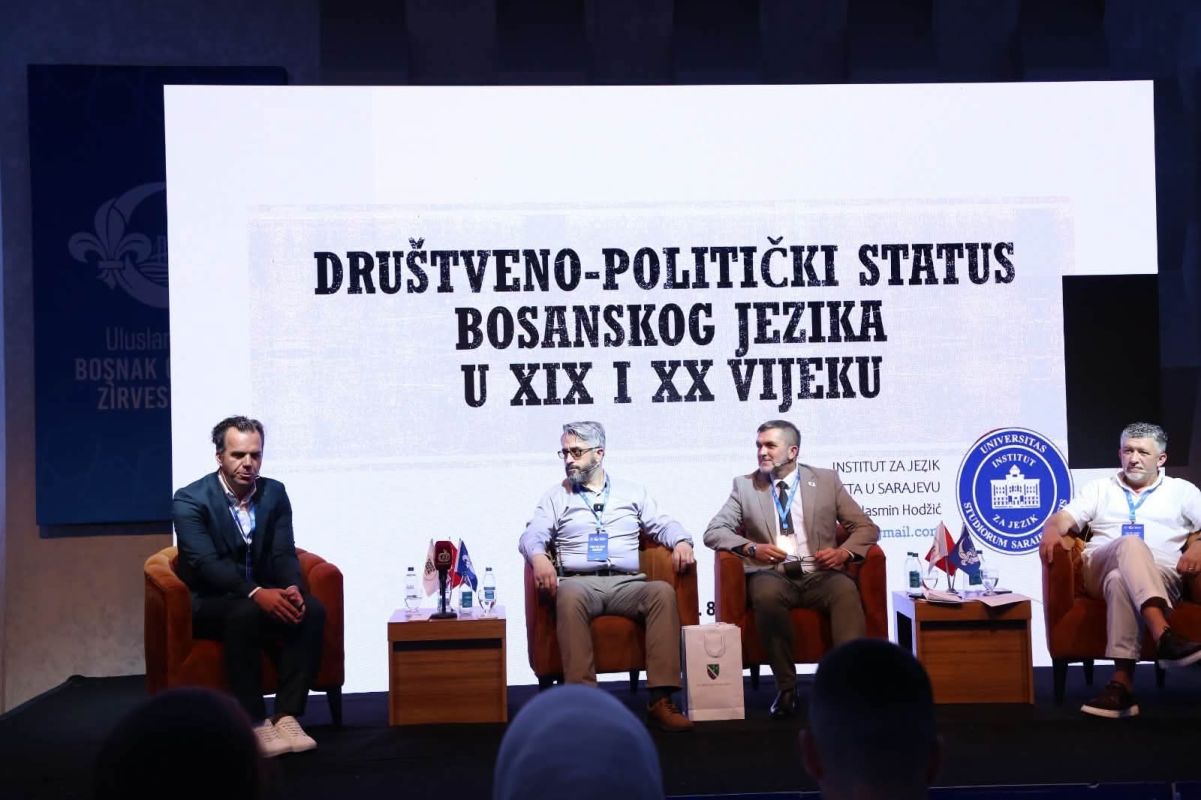
The second panel featured Prof. Dr. Sead Šemsović, Professor at the Faculty of Philosophy, University of Sarajevo; Dr. Sc. Jasmin Hodžić, Director of the University of Sarajevo – Institute for Language; and Dr. Sc. Alen Kalajdžija, Research Adviser at the Institute for Language.
Prof. Dr. Sead Šemsović presented literary production as one of the important components of Bosniak cultural and national identity. Drawing on representative examples, he highlighted the richness and continuity of the Bosniak literary tradition and the role of literature in preserving historical experience, cultural memory and language.
Dr. Sc. Jasmin Hodžić spoke about the position of the Bosnian language in different historical and political circumstances, changes in its public and institutional status, and the relationship between language, politics and identity. He particularly emphasised the importance of the Bosnian language as one of the fundamental elements of the cultural identity and historical continuity of its speakers.
Dr. Sc. Alen Kalajdžija spoke about the historical development of the Bosnian language and its place in the cultural history of Bosnia. He presented the processes that shaped its development over the centuries, as well as the importance of written and linguistic traditions for understanding the continuity of the Bosnian language and the cultural heritage of Bosnia and Herzegovina.
The International Youth Summit provided an opportunity for representatives of the academic community, institutions and organisations to meet with young people from different parts of the world. Of particular importance was the opportunity for direct dialogue with students and young people on the history of Bosnia and Herzegovina, genocide and other crimes, contemporary revisionism, the culture of remembrance, the Bosnian language, literature and cultural identity.
The participation of scholars from the Institute further underscored the importance of presenting the results of scholarly research beyond Bosnia and Herzegovina, particularly to young people living in different countries. Connecting academic knowledge, the culture of remembrance, language and historical identity provides an important foundation for preserving the connection of new generations with Bosnia and Herzegovina, its history and cultural heritage.
.jpeg)
(2).png)
(3).png)
.png)