
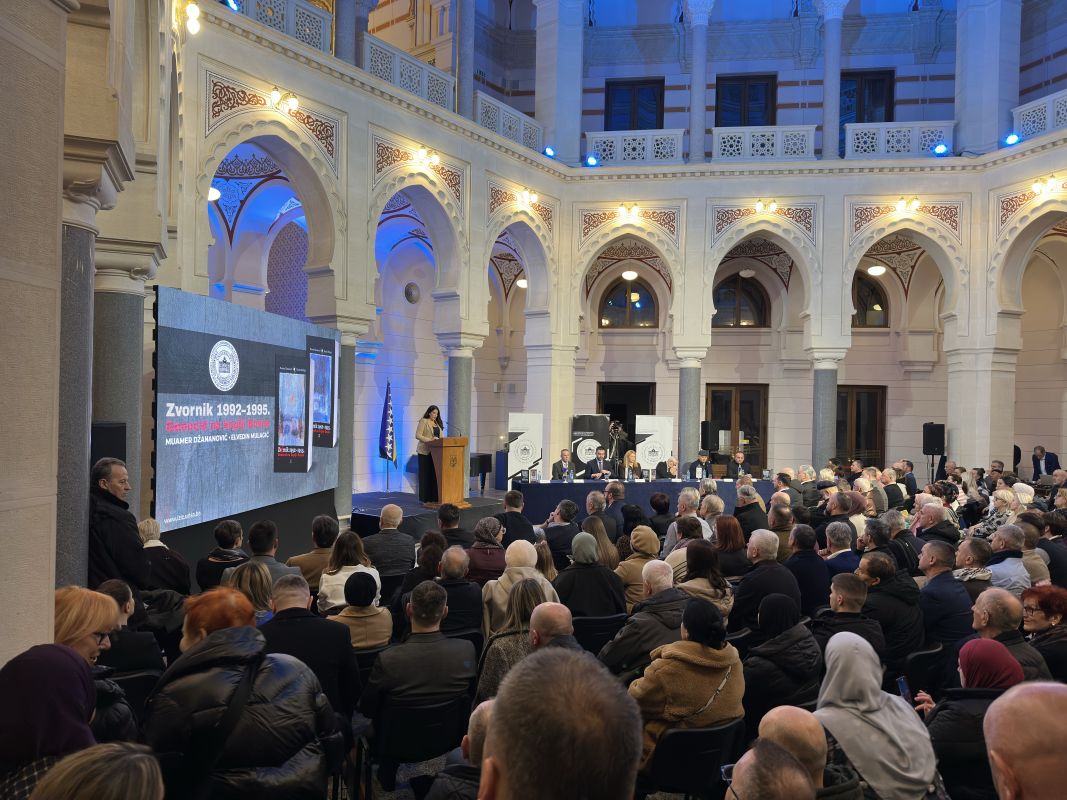
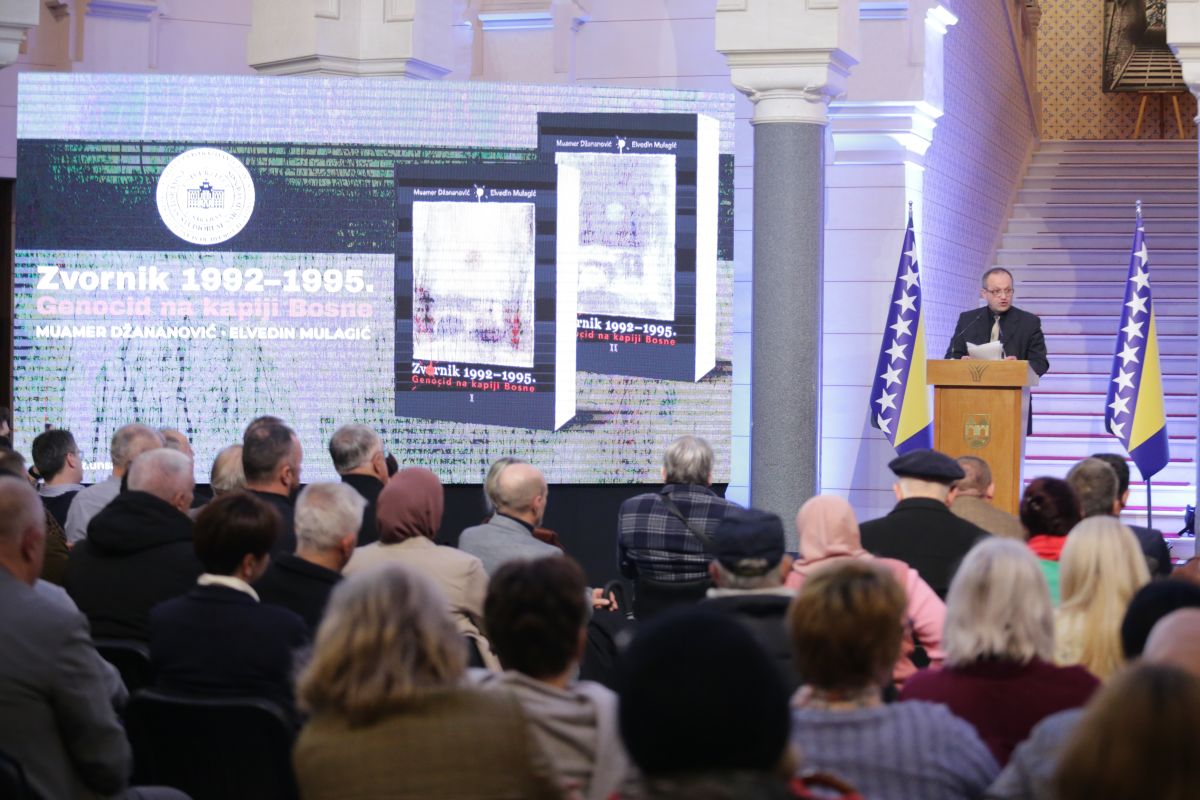
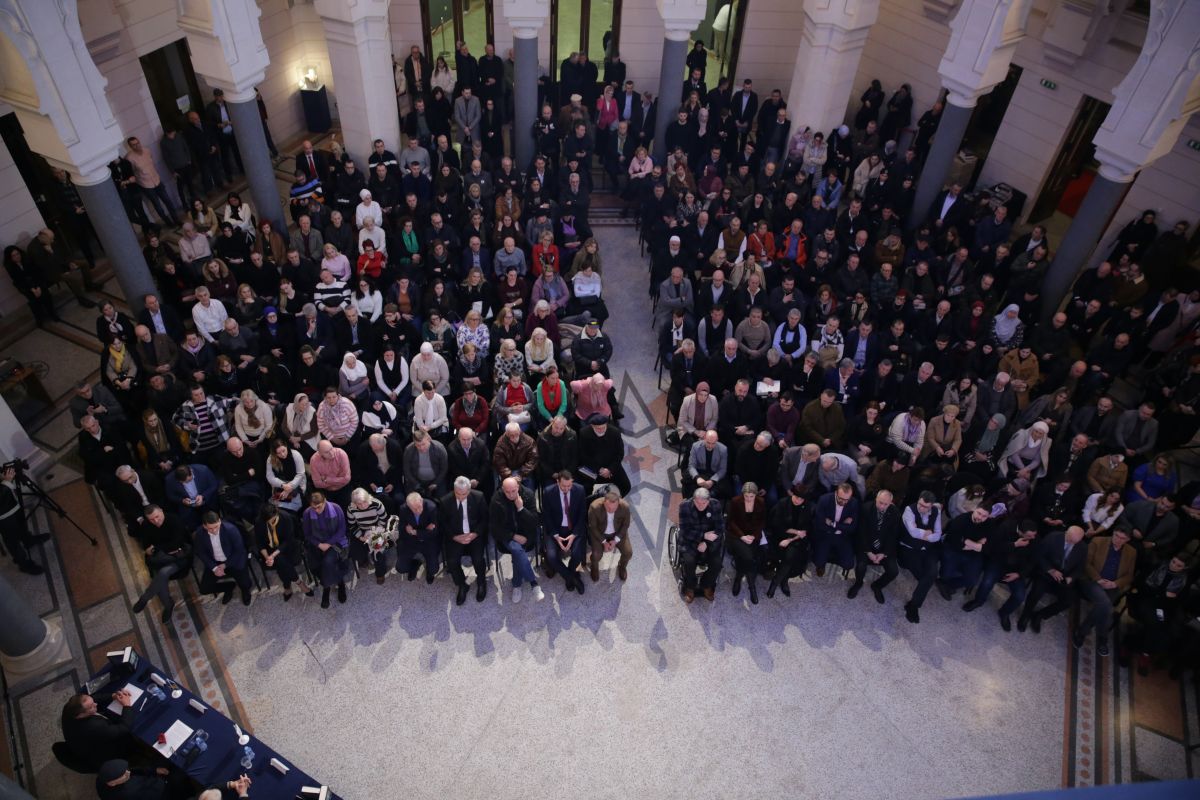
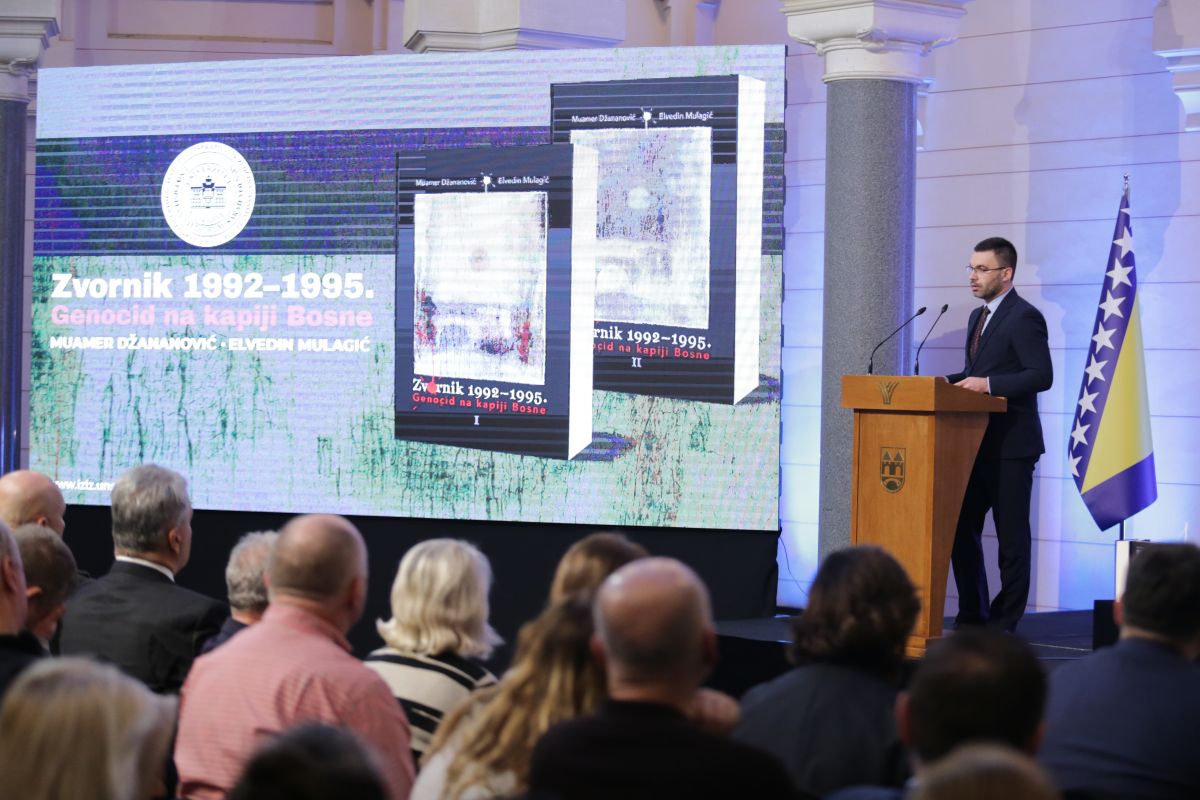
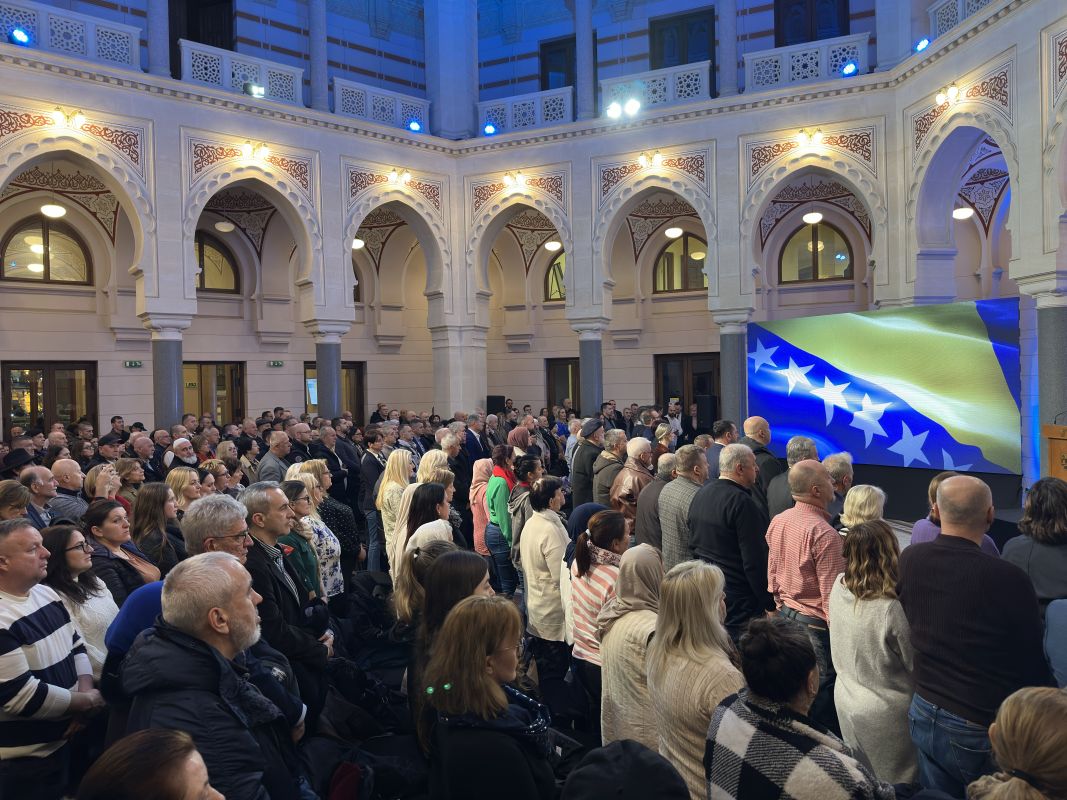
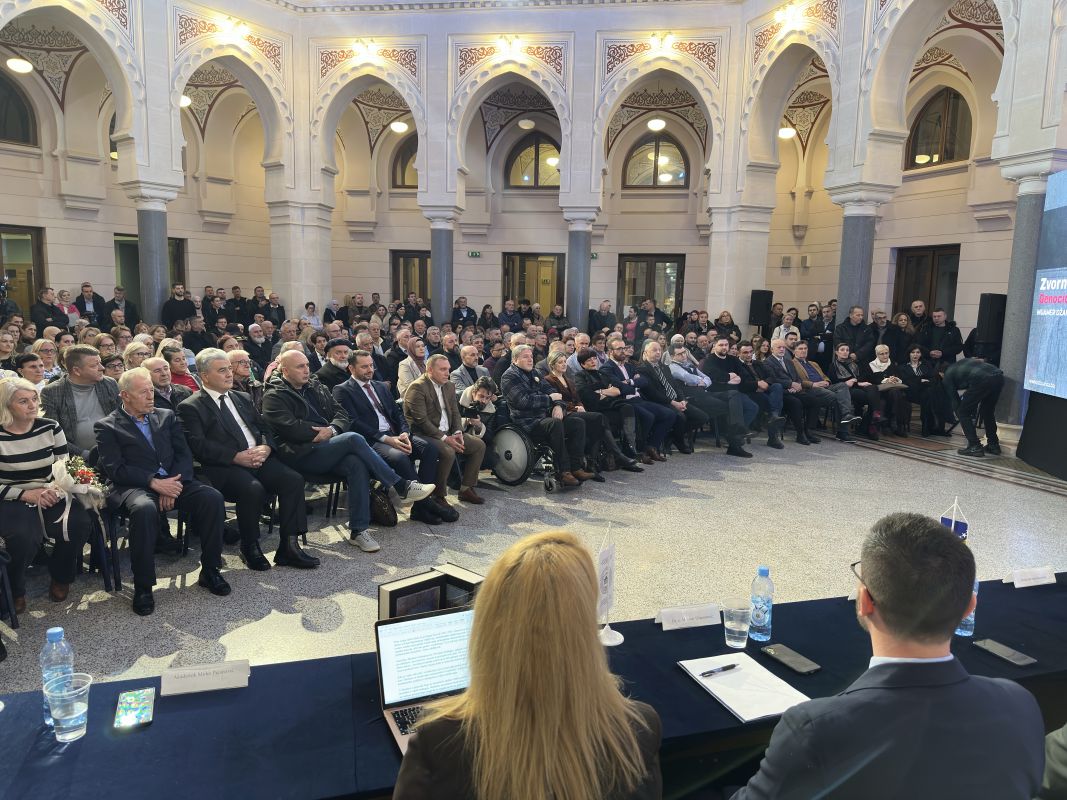
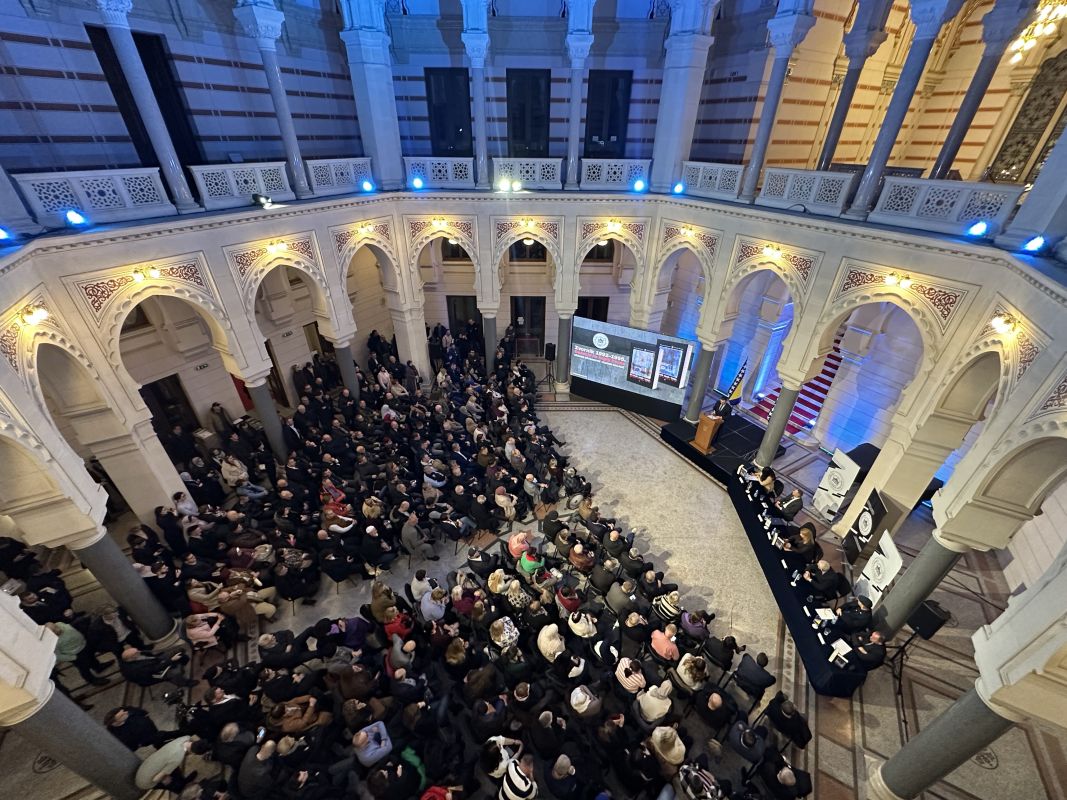
In Sarajevo’s City Hall, the book launch of “Zvornik 1992–1995: Genocide at the Gateway of Bosnia” by Dr. Muamer Džananović and Dr. Elvedin Mulagić took place. The book was recently published by the University of Sarajevo – Institute for the Research of Crimes Against Humanity and International Law.
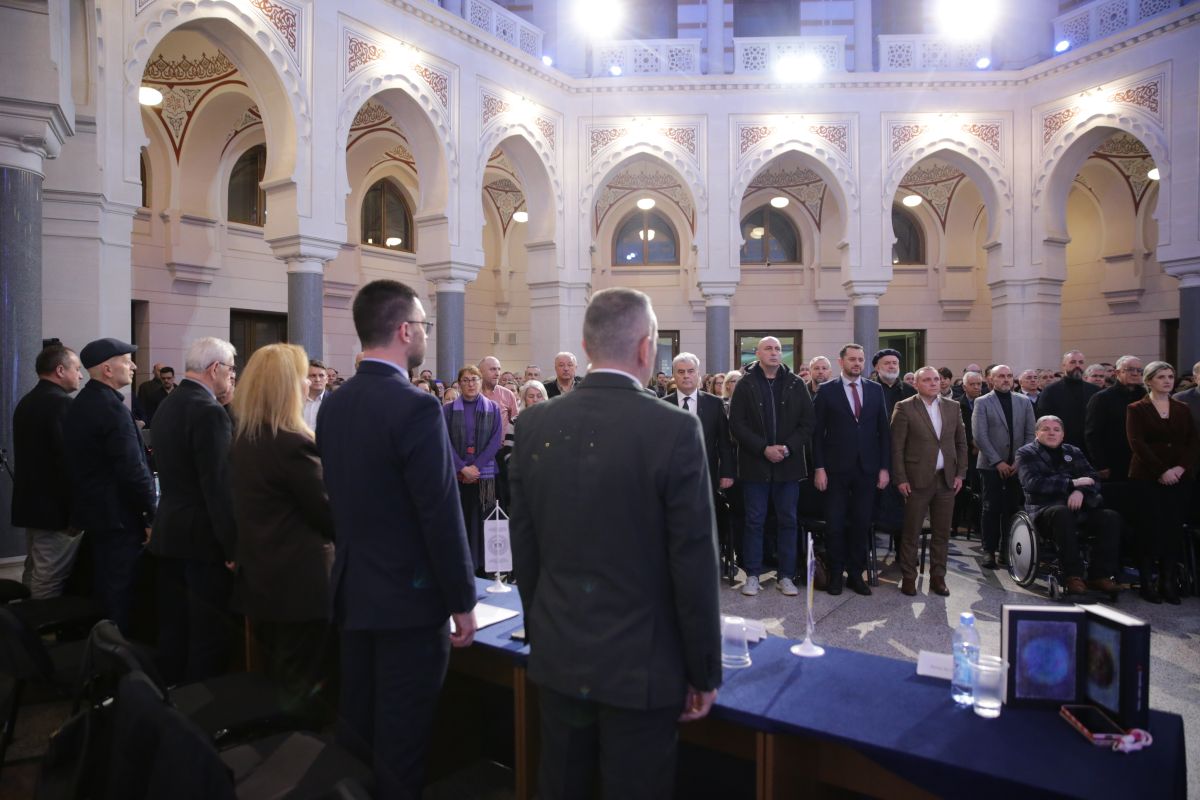
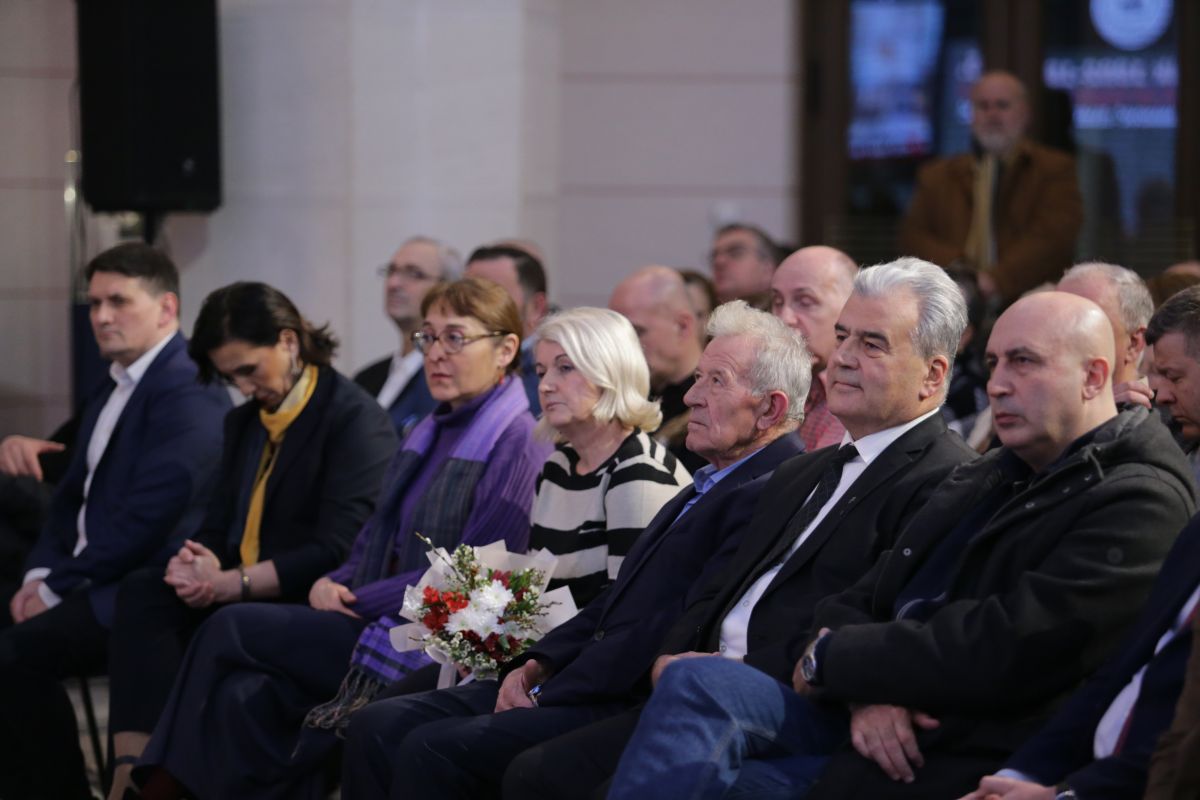
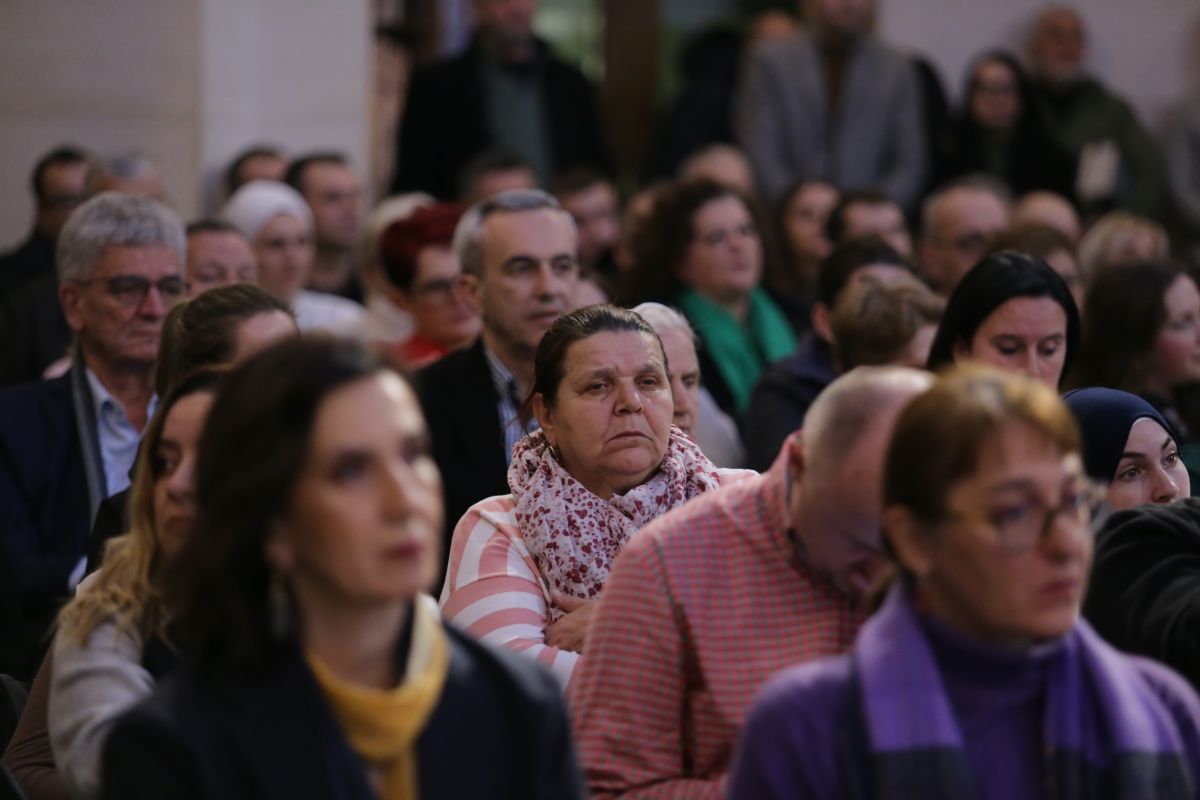
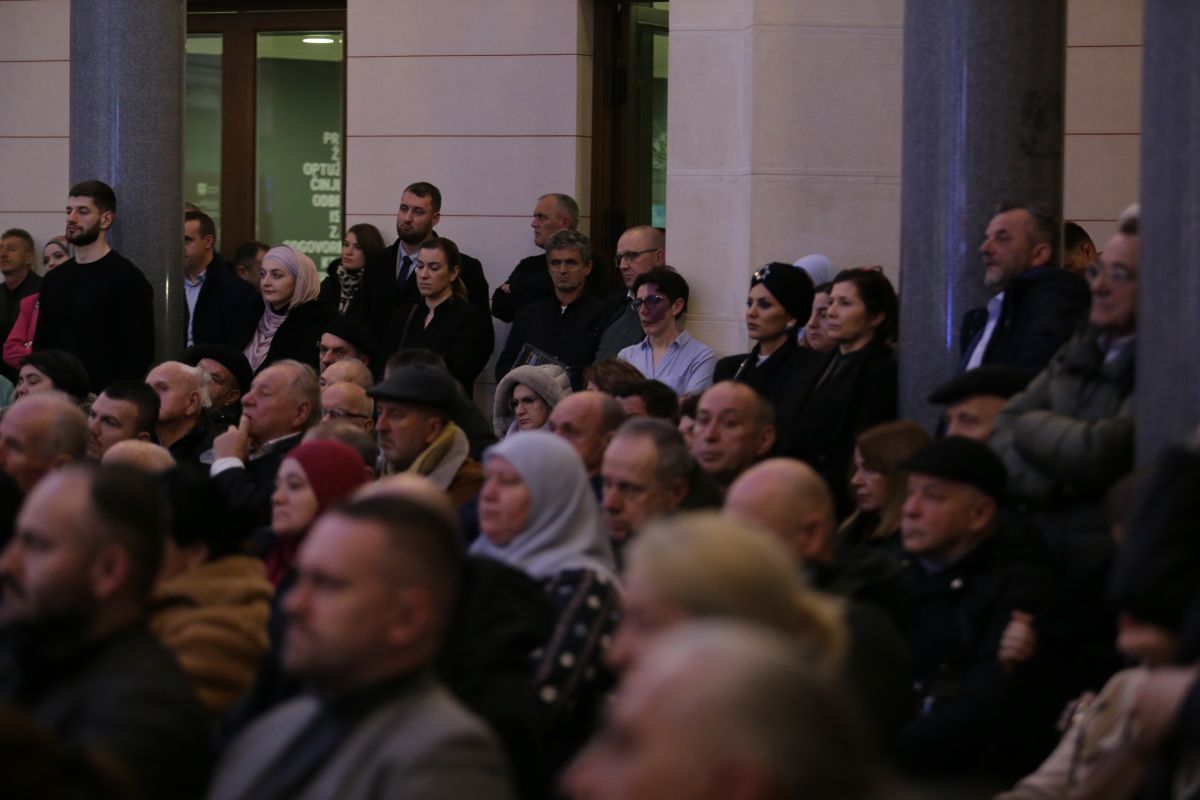
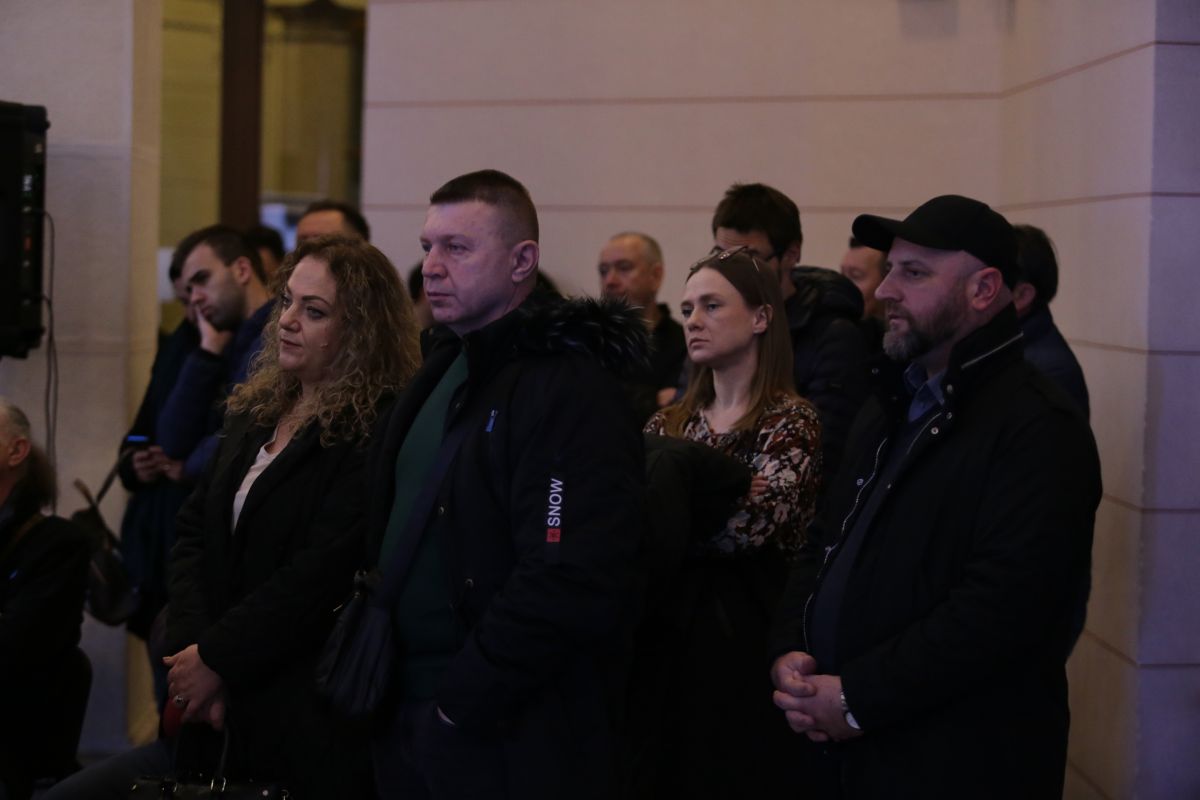
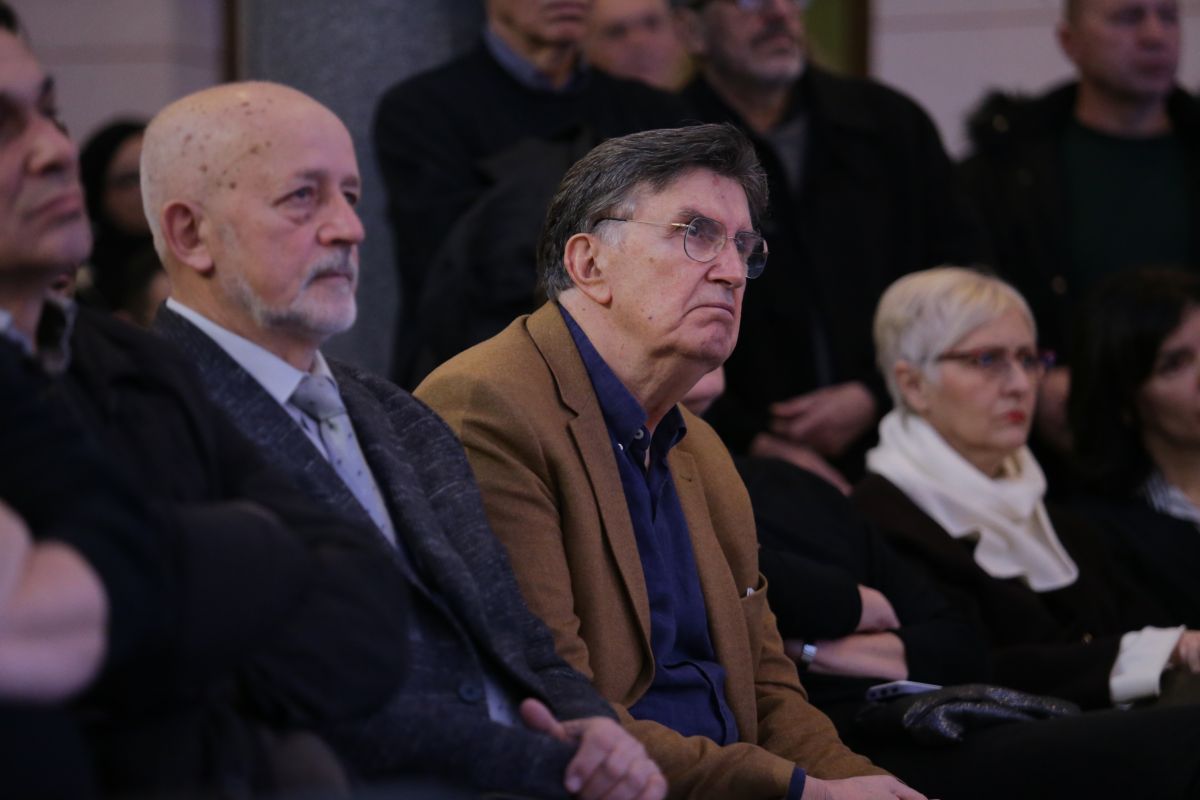
The event gathered a large number of representatives from the academic community, institutions, associations of civil war victims, as well as families of victims and citizens, including a significant number of residents of Zvornik who attended the launch in an organized manner. The authors emphasized that the presence of the Zvornik community was a particular satisfaction and a confirmation of the social relevance of their years of work on this highly demanding research project.
During their presentations, the promoters highlighted that this is a major two-volume research study developed over ten years, based on extensive archival materials, judicial practice from international and domestic courts, field research, and testimonies of survivors.
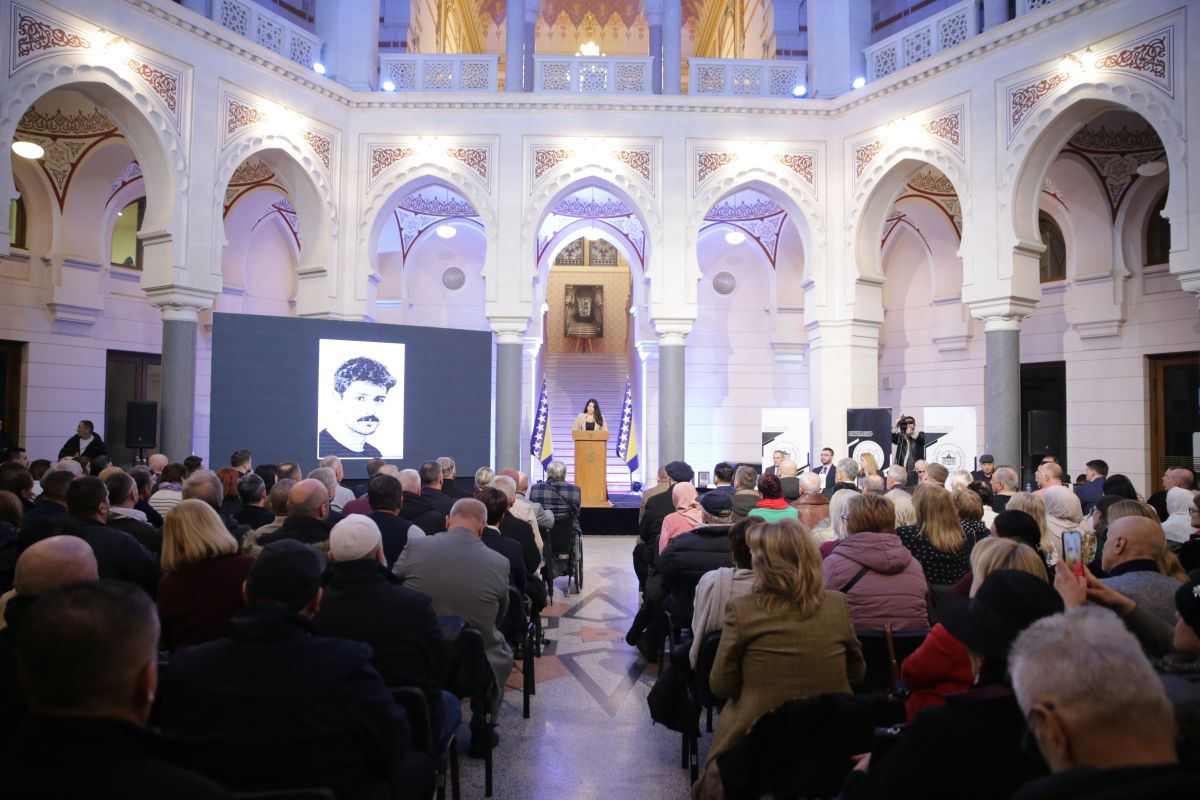
The launch began with a tribute to Erdogan Morankić, a student at the Academy of Fine Arts at the University of Sarajevo, who tragically passed away in a recent traffic accident. Attendees expressed solidarity with his family and with all those injured in this tragic incident.
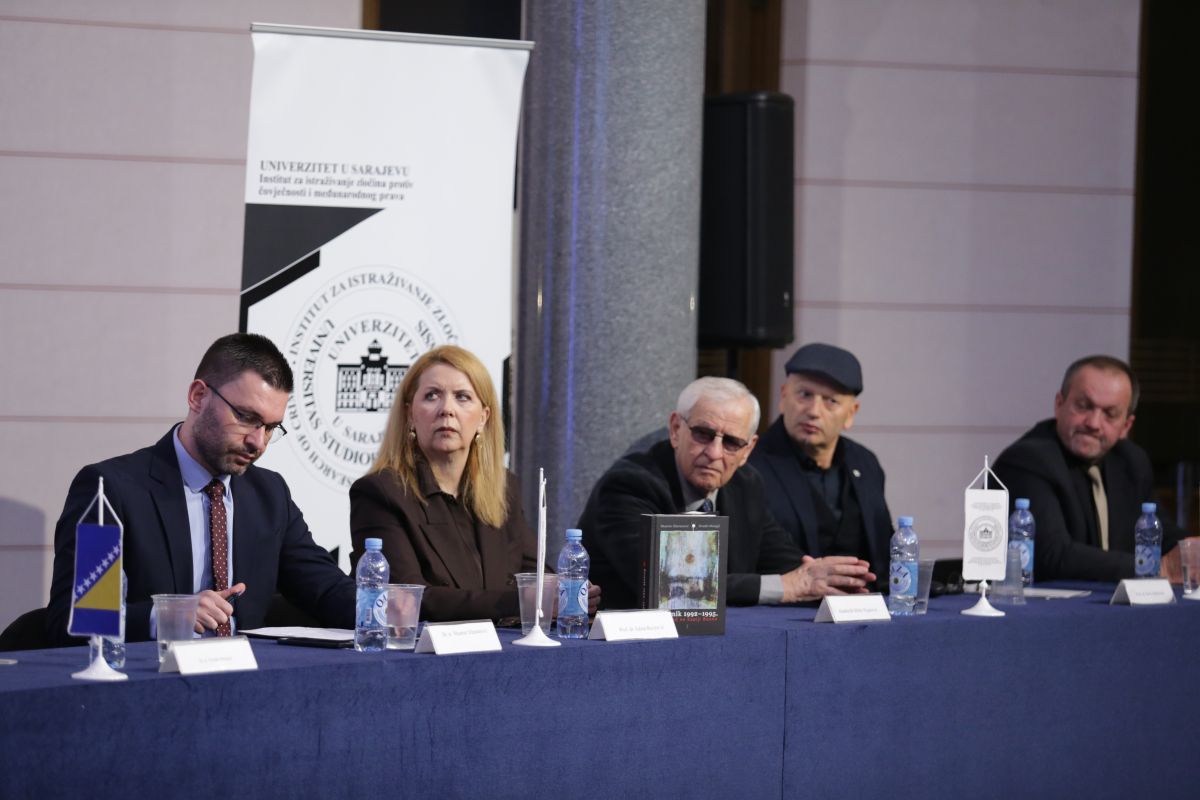
The book was presented by: academician Mirko Pejanović, Vice President of the Academy of Sciences and Arts of Bosnia and Herzegovina; Prof. Dr. Edina Bećirević, professor at the Faculty of Criminalistics, Criminology, and Security Studies, University of Sarajevo; Dr. Amir Kliko, senior research associate at the Institute; and Prof. Dr. Hariz Halilovich, professor at RMIT University in Melbourne.
Academician Pejanović stated that “Zvornik 1992–1995: Genocide at the Gateway of Bosnia” represents one of the most comprehensive and methodologically demanding research studies on crimes committed in eastern Bosnia during the aggression against Bosnia and Herzegovina. He particularly emphasized that in the introductory chapters, the authors precisely and convincingly present the broader ideological, political, and geopolitical circumstances of Yugoslavia’s dissolution, the failure of attempts at peaceful resolution, and the process of international recognition of Bosnia and Herzegovina, in opposition to the Greater Serbia project, which did not recognize the sovereign state-legal status of Bosnia and Herzegovina.
Pejanović detailed the role of the Yugoslav People’s Army, the “paramilitary” formations from Serbia, and the Serbian Democratic Party in implementing “ethnic cleansing” policies and mass crimes against Bosniak civilians, highlighting that the Zvornik area became a site of mass crimes against civilians already in the spring and summer of 1992. He also stressed the scholarly weight of the two-volume 1,400-page study with over 4,500 footnotes, developed over ten years of research, based on extensive empirical material and more than 200 interviews with witnesses of the crimes.
He emphasized that the authors systematically documented all mass crimes in Zvornik for the first time, including detailed information on the circumstances of killing or disappearance of 2,472 victims, and that the research clearly shows the connection between the crimes committed in Zvornik in 1992 and the later genocide against Bosniaks in Srebrenica in 1995. He concluded that the authors and the Institute in which the research was conducted deserve great social recognition, as this study represents a lasting contribution to the scientific establishment of truth and the culture of remembrance in Bosnia and Herzegovina.
Prof. Dr. Edina Bećirević noted that dominant literature on genocide often remains at the macro-level of analysis, while contemporary research increasingly highlights the need to focus on meso- and micro-levels, i.e., cities and local communities. In this context, the study “Zvornik 1992–1995: Genocide at the Gateway of Bosnia” represents an exceptionally valuable contribution not only to Bosnian-Herzegovinian scholarship but also to global scientific literature on genocide.
She highlighted that the authors employ a complex qualitative methodological approach that enables multidimensional reconstruction of the crimes, precise mapping of responsibility structures, and establishment of clear causal links between political decisions, military structures, and specific crimes. The genocide is analyzed as a prolonged and multi-phase process, whose political and ideological preparation began well before 1992, with operational execution lasting from 1992 to 1995.
Special attention was given to chapters on sexual enslavement of female detainees in Zvornik, described as some of the most harrowing and ethically challenging parts of the work. The authors document the systematic nature of sexual violence against Bosniak and Roma women, exposing attempts at judicial and political relativization. According to Bećirević, the book serves a strong documentary, educational, and moral function in a society still facing denial and impunity.
Dr. Amir Kliko assessed the book as the most comprehensive scientific study on the genocide against Bosniaks in a single Bosnian municipality. He noted that Zvornik, given the exceptionally high number of killings, can be considered an epicenter of genocide during the Greater Serbian aggression from 1992–1995, with more than 7,000 Bosniaks killed in the Zvornik municipality, including 2,080 residents in 1992 and 392 residents killed in the Srebrenica genocide in July 1995.
Kliko discussed the military-political preparations of the aggressors, the role of the Yugoslav People’s Army, the State Security Service of Serbia, the Serbian Democratic Party, and paramilitary formations in the planned takeover of Zvornik and execution of mass crimes, which the authors document in detail. He emphasized that the authors recorded every victim by name and described the circumstances of the crimes, noting that sections of the book can serve as reference material in forensics due to their precision. He concluded that the crimes in Zvornik were not chaotic wartime events but a planned genocide involving civilian, military, and police structures, with direct participation from the Federal Republic of Yugoslavia and the Republic of Serbia. He described the book as one of the most important works on the aggression against Bosnia and Herzegovina and genocide against Bosniaks, demonstrating the necessity of thorough, responsible, and unbiased research.
Prof. Dr. Hariz Halilovich emphasized the book provides highly valuable new empirical insights and local-level precision, clearly showing the temporal and operational continuity of genocidal violence against Bosniaks in the Podrinje region from 1992 to 1995. He stressed that the crimes committed in Zvornik in 1992 were not isolated incidents but part of a long-term, systematic project culminating in the Srebrenica genocide in July 1995, specifically on locations in the Zvornik municipality.
He also highlighted the ethical dimension of the book, praising the authors for combining scientific rigor with deep ethical commitment to truth. According to him, this research serves as a lasting source of knowledge, a reliable documentary foundation, and an important guide for future generations of researchers on genocide, mass violence, and memory culture. In the broader context of genocide historiography, Prof. Halilovich noted that the study “Zvornik 1992–1995: Genocide at the Gateway of Bosnia” builds on and deepens earlier key works on the genocide against Bosniaks. He pointed out the continuity of a research line beginning with works by Vladimir Dedijer and Antun Miletić on the genocide of Muslims during World War II, continuing with contemporary studies such as Edina Bećirević’s Na Drini genocid. According to him, the work by Džananović and Mulagić further strengthens and empirically deepens this research tradition, confirming the temporal, spatial, and operational continuity of genocidal violence in Podrinje. Halilovich emphasized that the book holds a special place in this corpus as it focuses on a single locality, presented by the authors as one of the first and key hotspots of genocidal policy during the aggression against Bosnia and Herzegovina. Through detailed micro-local analysis, the book demonstrates how patterns of violence documented in earlier historical periods and theoretically elaborated in contemporary literature are concretely operationalized in one municipality, establishing a clear link between historical continuities of genocide and its contemporary manifestations. According to Halilovich, this positioning makes the book an indispensable reference for future research on genocide in Bosnia and Herzegovina and beyond.
In their remarks, the authors Dr. Muamer Džananović and Dr. Elvedin Mulagić emphasized that the project was highly demanding, lengthy, and emotionally difficult. They noted that the primary motivation for initiating the research was a profound scientific and social gap regarding the systematic documentation of crimes committed in Zvornik, where mass atrocities began early in the aggression against the Republic of Bosnia and Herzegovina, yet the area remained under-researched and marginalized in public and academic discourse.
The authors highlighted that field research was marked by distrust from witnesses and victims’ families due to the long absence of judicial accountability for the numerous mass crimes. Building trust with the Zvornik community took years and was crucial for collecting data on previously undocumented crimes. Thousands of questionnaires on killed and missing victims were completed, numerous field interviews were recorded, and testimonies were collected, in some cases serving as the only source of information about specific crimes.
They also addressed the ethical dimension of the work, emphasizing that every testimony involved a difficult balance between the necessity of documenting the truth and the risk of reopening wounds for victims and witnesses. The authors faced harrowing accounts of torture, mass killings, and sexual violence, including instances where victims shared personal experiences never before disclosed to authorities. These testimonies confirmed the scale of the crimes and the heavy burden carried by victims for decades.
Džananović and Mulagić stated that the presence of a large number of Zvornik residents at the launch was a particular honor and a strong obligation for future work, highlighting that the trust of victims’ families and the local community is the greatest confirmation of the value of their research. They expressed gratitude to field collaborators, witnesses, families of victims, and those who did not live to see the book published but whose support or testimonies were essential for reconstructing the crimes.
In conclusion, they emphasized that the book is not merely an academic study or a record of the past, but a conscious and responsible contribution to the pursuit of truth about crimes committed in Bosnia and Herzegovina, particularly those in Zvornik. They stressed that truth must be researched, documented, and defended patiently, persistently, and without compromise, because without such studies a significant number of crimes remain unexamined and the victims left to oblivion.
.JPG)
.JPG)
.JPG)
.JPG)
.JPG)
.JPG)
.JPG)
.JPG)
.jpg)
.JPG)

















(2).png)
(3).png)
.png)